

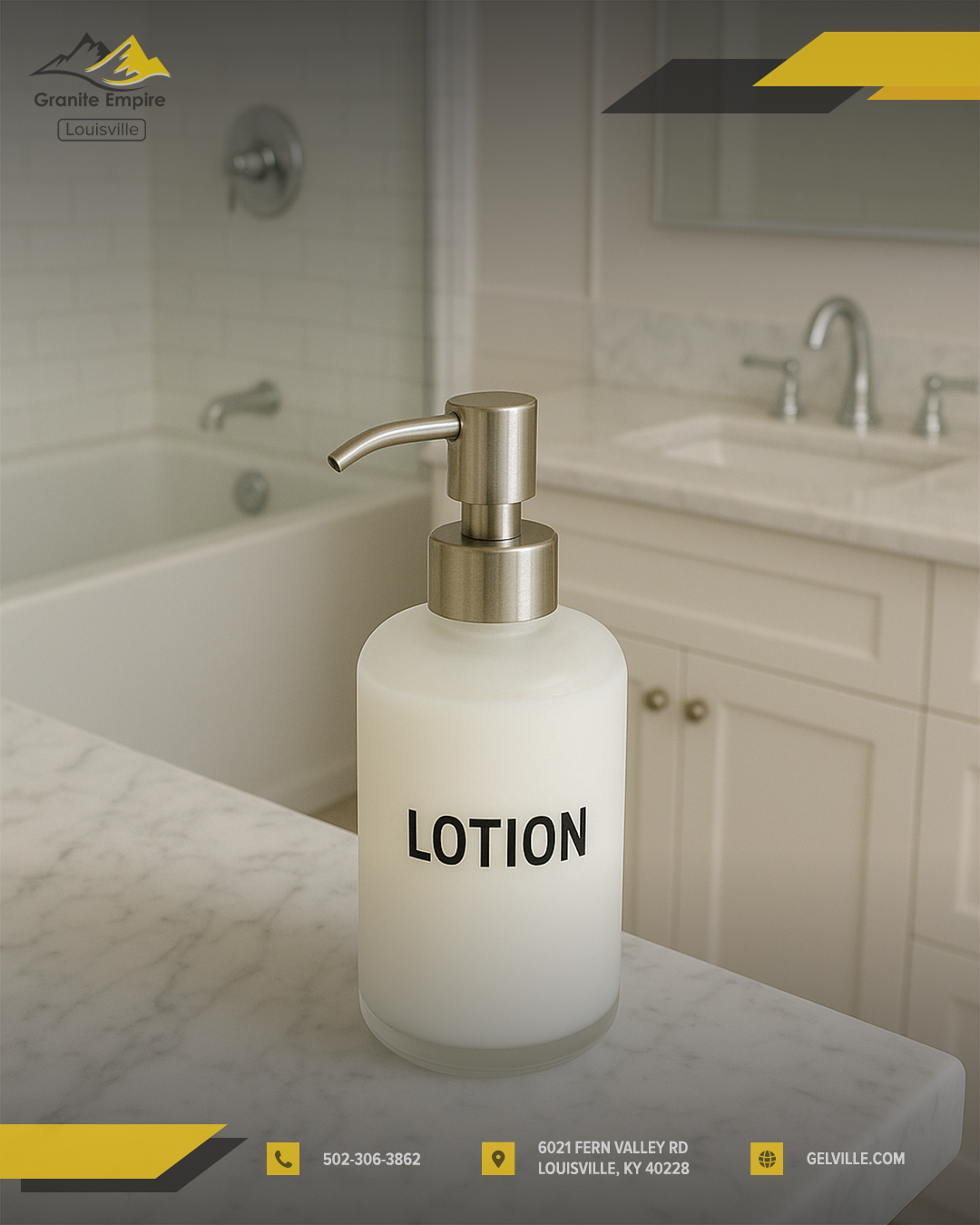
Marble countertops are a popular choice for many homeowners, thanks to their timeless beauty and elegance. Whether you have bathroom countertops in Jeffersontown, KY or kitchen countertops made of marble, they add a touch of luxury to any space. However, with their stunning look comes a need for regular care and maintenance. One common question that arises among homeowners is whether products like serums, lotions, and other skincare products can harm marble countertops.
In this article, we’ll explore the potential effects that skincare products such as serums and lotions can have on marble countertops. We’ll also offer practical tips on how to protect and maintain your bathroom countertops in Jeffersontown, KY, so they continue to shine for years to come.
At Granite Empire of Louisville, we understand the importance of caring for natural stone surfaces, especially in high-traffic areas like the bathroom. By following our tips and understanding the impact of various products on your marble countertops, you can keep them looking pristine without worrying about damage from everyday products.

Why Marble Countertops Are Susceptible to Damage
Marble is a beautiful and luxurious natural stone that’s made primarily of calcium carbonate. While it is a durable surface, it is more porous and softer than other stones like granite and quartz. This means that marble can absorb liquids more readily, which is one reason why it’s more susceptible to damage from certain substances like lotions, serums, and oils.
The calcium carbonate in marble reacts with acidic substances, and many skincare products can contain acids, alcohols, and oils that could damage your marble countertops if left unchecked. Even minor spills from skincare products can potentially cause staining or etching, leading to long-term damage.
How Serums and Lotions Can Affect Your Marble Countertops
1. Oil-Based Serums and Lotions
Many serums and lotions contain oils as their base ingredient. These oils are used to hydrate and moisturize the skin, but when they come into contact with marble, they can seep into the stone and leave behind a greasy residue. This can make your bathroom countertops in Jeffersontown, KY look dull and attract more dirt over time.
Why Oils Are a Problem:
- Oils Penetrate the Surface: Since marble is porous, oils can easily penetrate the surface and may cause discoloration.
- Difficult to Clean: Oil stains are often difficult to remove from marble without professional help. The longer the oil sits on the surface, the more likely it is to seep into the stone and cause permanent damage.
- Attract Dirt: Oils and lotions can attract dust and dirt, making the countertop appear dirty even after cleaning.
2. Acidic Ingredients in Serums
Some serums contain high concentrations of acids, such as alpha hydroxy acids (AHAs), beta hydroxy acids (BHAs), or vitamin C. While these acids can help with skin exfoliation, they can have the opposite effect on marble countertops. The acidic nature of these serums can cause the marble’s surface to etch, which results in dull spots or rough patches.
Why Acids Are Harmful:
- Etching: When acids from skincare products come into contact with marble, they can cause a chemical reaction that removes the polished finish, leaving behind etched marks that are difficult to repair.
- Discoloration: The acid may cause the marble to discolor, leading to permanent damage to your bathroom countertops in Jeffersontown, KY.
- Permanent Damage: Unlike other surfaces, etching on marble is often irreversible, requiring professional refinishing to restore the surface.
3. Alcohol in Lotions and Serums
Many lotions and serums contain alcohol, which acts as a solvent or preservative in the formulation. While alcohol can help the product absorb into your skin faster, it can also dry out the marble surface if left on the countertop. Over time, alcohol exposure can degrade the marble’s sealant, making it more susceptible to staining and damage.
Why Alcohol Is a Concern:
- Drying Out the Surface: Alcohol can strip away the protective sealant on marble, causing the surface to become more porous and vulnerable to staining.
- Weakened Sealant: If the sealant is compromised, oils, acids, and other substances are more likely to seep into the marble, causing permanent damage.
How to Protect Your Marble Countertops from Skincare Products
While it’s difficult to avoid all skincare products in the bathroom, there are several ways you can protect your bathroom countertops in Jeffersontown, KY, from the potential damage caused by lotions, serums, and oils. Here are some practical tips to help you keep your marble countertops looking pristine:
1. Clean Up Spills Immediately
The best way to prevent any potential damage from serums, lotions, and oils is to clean up spills as soon as they happen. The longer these substances sit on the surface of your marble countertops, the more likely they are to cause staining or etching. Wipe up any spills immediately with a soft cloth, and use a damp microfiber cloth to gently clean the area.
2. Use a Trivet or Tray for Skincare Products
One of the simplest ways to protect your marble countertops from spills is to use a tray or trivet to organize your skincare products. By keeping lotions, serums, and oils on a designated tray, you can minimize the chances of accidental spills. It’s also a great way to keep your bathroom looking tidy while preventing product buildup on the countertop surface.
3. Regular Sealing of Marble Countertops
Since marble is naturally porous, it’s essential to apply a high-quality sealant to your bathroom countertops in Jeffersontown, KY. Sealing helps create a protective barrier on the surface of the stone, preventing liquids like oils and acids from penetrating and causing damage. Granite Empire of Louisville recommends sealing your marble countertops every 6–12 months, depending on the level of use. This will help ensure your countertops stay protected from everyday spills and accidents.
4. Use Gentle Cleaning Products
When cleaning marble countertops, avoid harsh or abrasive cleaning products that can damage the stone. Stick to a pH-balanced cleaner specifically designed for marble, or use a mild dish soap and warm water solution. Avoid using acidic cleaners, such as those containing vinegar, as these can further damage the surface of your marble countertops.
5. Invest in a Marble Polish or Protectant
To keep your marble countertops looking their best, consider using a marble-specific polish or protectant. These products can help maintain the shine of your countertops and create an additional layer of protection against spills and stains. Just be sure to follow the manufacturer’s instructions when applying polish to avoid any buildup or residue.
6. Apply a Protective Film (Optional)
If you are particularly concerned about the effect of skincare products on your marble countertops, consider using a protective film. This thin layer of plastic or silicone can be placed over the surface of your countertop, acting as a shield against potential damage from lotions, serums, and oils. It’s an effective way to prevent spills and stains without compromising the look of your marble countertops.

What to Do if Your Marble Countertop Is Damaged by Skincare Products
If you’ve accidentally spilled serums, lotions, or oils on your marble countertops and notice staining or etching, don’t panic. There are a few things you can do to minimize the damage:
- Buff the Surface: For minor etching, you can try gently buffing the affected area with a marble polishing compound. This may help reduce the appearance of marks.
- Professional Refinishing: If the damage is more severe or the stain persists, it may be necessary to call in a professional to repair and refinish your marble countertop.
- Reseal Your Countertop: After any cleaning or repair, reseal the countertop to ensure that it remains protected from future damage.
At Granite Empire of Louisville, we offer expert advice and professional services for marble countertop maintenance, including sealing, cleaning, and refinishing.