

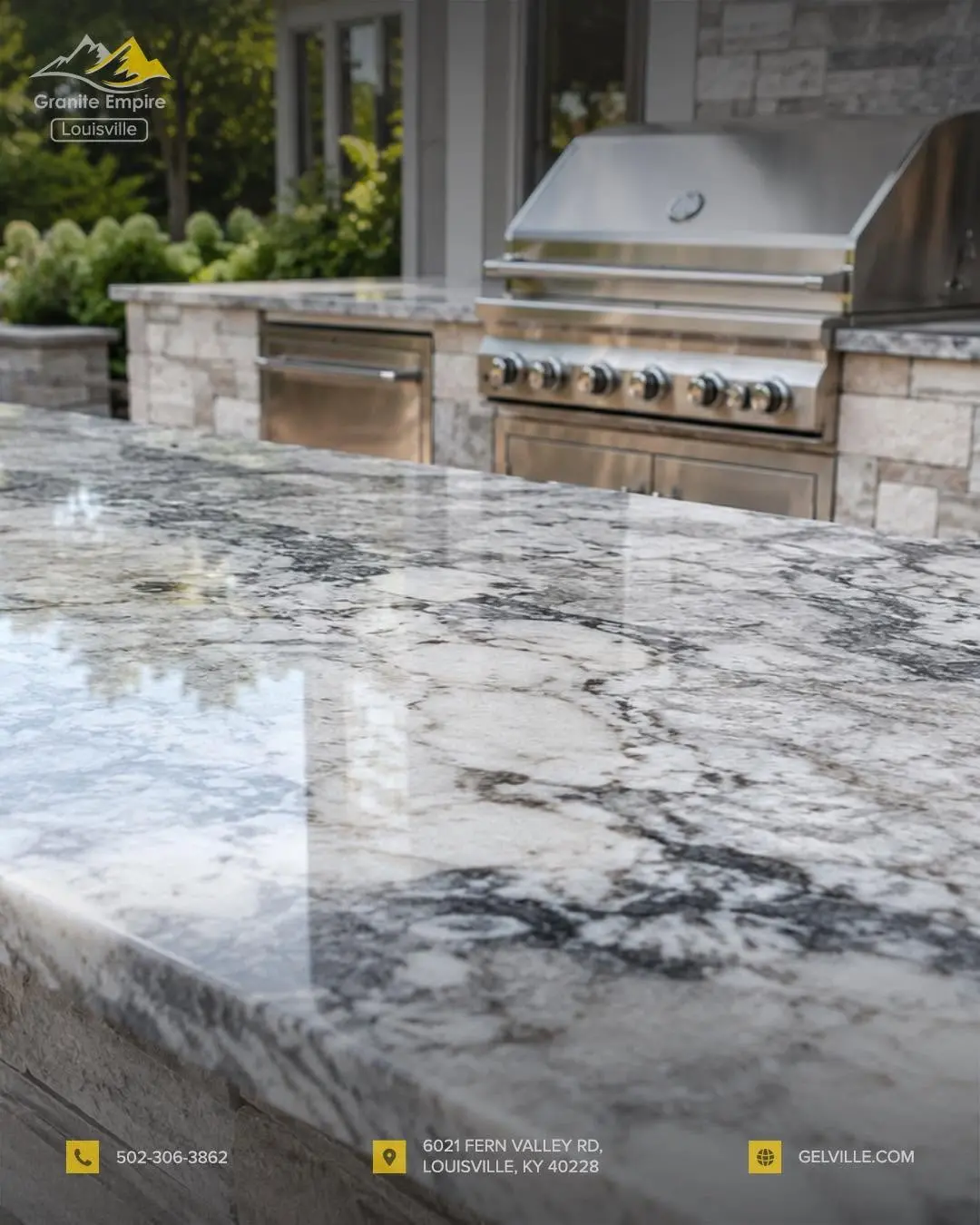
Yes. Two granite slabs sold under the same color or trade name can look noticeably different because granite is a natural material formed with variations in mineral content, pattern, movement, and color. The name identifies a general stone type or commercial category, not an exact visual copy.
For homeowners comparing granite countertop stores in Fort Knox, KY, this is important to understand before placing an order. At Granite Empire of Louisville, we recommend viewing the actual slabs whenever possible, especially when a project needs more than one slab.
Why Can Granite Slabs With the Same Name Look Different?
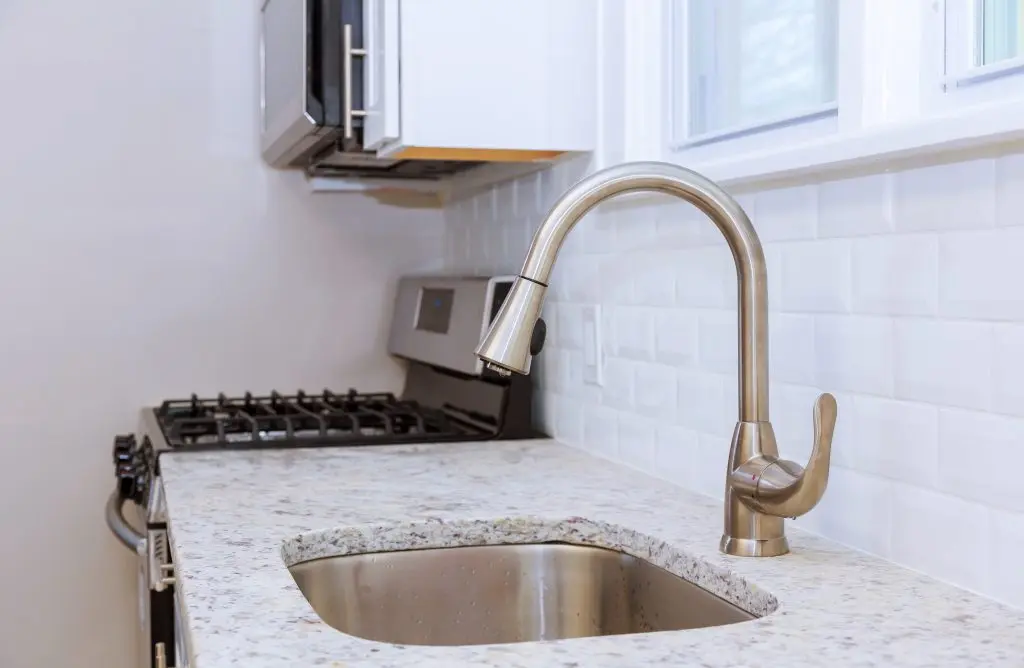
They can differ because natural stone is not manufactured to a fixed visual formula. Minerals are distributed differently from one section of the quarry to another, and each slab records those changes.
One slab may have stronger movement, darker mineral clusters, wider veining, or more contrast. Another slab with the same name may look quieter or more uniform.
This variation is one of the reasons granite feels unique in a finished kitchen, but it also means slab selection matters.
Does the Quarry or Lot Affect Granite Appearance?
Yes. Slabs from different quarry blocks or production lots can show more noticeable differences than slabs cut from the same block.
Even slabs from the same bundle may not match perfectly. They may be sequential cuts and share similar movement, but natural variation can still appear from slab to slab.
For granite countertop stores in Fort Knox, KY, matching slabs from the same lot can help create a more consistent project when a kitchen requires multiple pieces.
Why Does Lighting Change the Way Granite Looks?
Lighting can make the same slab look warmer, cooler, lighter, or darker. Showroom lighting, daylight, under-cabinet lights, and surrounding cabinet colors all influence how the stone is perceived.
We encourage customers to consider cabinet, flooring, backsplash, and paint colors before making the final slab decision.
Should You Choose Granite From a Small Sample?
A sample is useful for general color direction, but it should not be treated as a perfect representation of an entire slab. Small samples cannot show full-scale veining, movement, mineral clusters, or natural variation.
A sample may come from one section while the slab selected for your kitchen may include much more movement. For large islands and highly visible countertop runs, seeing the full slab is much more informative.
At Granite Empire of Louisville, we use samples as a starting point, not as a promise that every square foot will look identical.
Can Two Slabs From the Same Bundle Still Look Different?
Yes. Sequential slabs can be similar without being identical.
If a project requires two slabs, we look at overall tone, veining direction, major mineral features, and how the slabs can be laid out together. The goal is not always to make them look identical. The better goal is to create a layout where the variation looks intentional.
For homeowners visiting granite countertop stores in Fort Knox, KY, this is a good reason to ask whether both slabs can be reviewed before fabrication.
How Do Granite, Quartz, and Marble Compare for Visual Consistency?
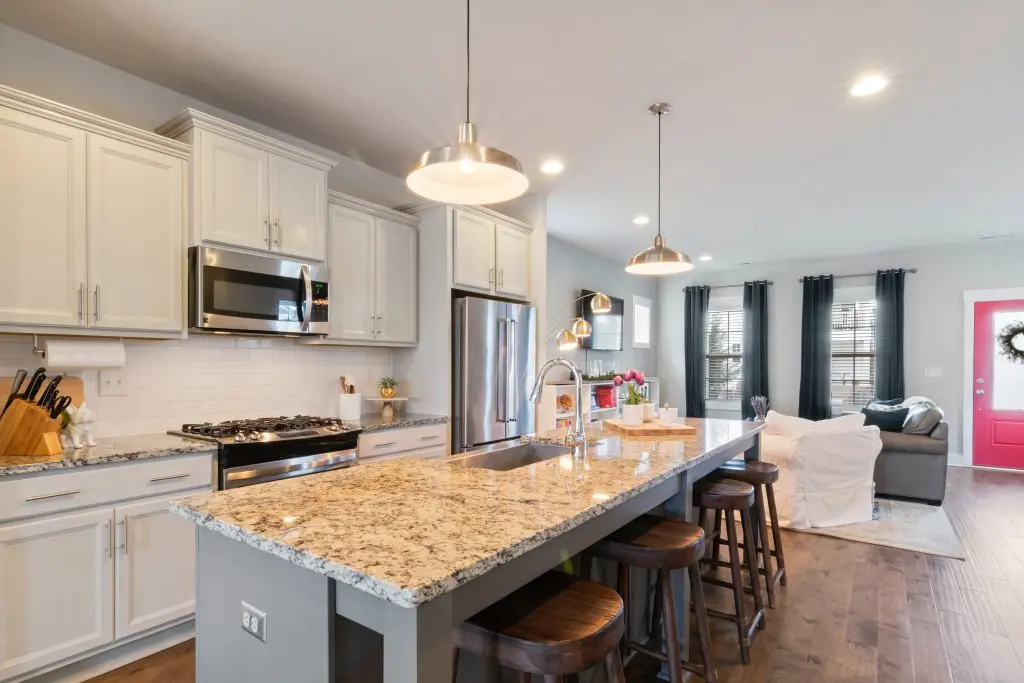
Granite and marble are natural materials, so variation is expected. Quartz is engineered and usually offers more predictable patterning from slab to slab, although exact appearance can still vary by product and production batch.
| Material | Starting Material Price | Visual Consistency | Heat Resistance | Maintenance |
|---|---|---|---|---|
| Granite | $39/sq. ft. | Natural variation is expected | High | May need sealing depending on the stone |
| Quartz | $55/sq. ft. | Usually more consistent | Moderate | No routine sealing |
| Marble | $75/sq. ft. | Natural variation is expected | High | More sensitive to etching and staining |
These are our current starting material prices, not universal installed totals. Final cost depends on slab choice, square footage, fabrication, cutouts, edge details, delivery, and installation.
Does Natural Variation Mean the Granite Is Defective?
No. Natural color shifts, mineral concentrations, and pattern changes are normally part of the stone.
A defect is different from a natural characteristic. An actual structural crack is not the same thing as a natural fissure or vein, so we examine slab condition before fabrication.
What Is the Difference Between a Fissure and a Crack?
A fissure is a natural feature formed during the stone’s geological development, while a crack is a break that may affect structural integrity.
Not every visible line in granite is damage. Many slabs contain natural fissures that are stable and part of the appearance.
When we evaluate slabs, we look at whether a feature is simply visual or whether it affects fabrication, handling, cutout placement, or installation.
How Do Fabricators Match Two Granite Slabs?
We match them by looking at color balance, pattern direction, dominant veins, mineral movement, and the planned countertop layout. Matching does not always mean placing identical-looking areas next to each other.
Sometimes the best result comes from using one dramatic slab for the island and a quieter slab for the perimeter. In other kitchens, continuity across a seam matters more.
For granite countertop stores in Fort Knox, KY, slab layout should be discussed before cutting starts, not after the pieces are already fabricated.
Why Does Slab Layout Matter So Much?
Slab layout controls which parts of the stone appear on each countertop section. A dramatic vein can become the focal point of an island, while a darker area may be placed near a wall or appliance.
The layout also affects seams, cutouts, and material yield. Moving one section to improve pattern flow can sometimes require more slab area.
This is where design and fabrication overlap. The most efficient cut is not always the most visually balanced cut.
Can Veins Be Matched Across a Seam?
Sometimes. Vein matching is possible when slab pattern, dimensions, and layout allow it, but natural granite cannot always be bookmatched or aligned perfectly.
A seam also has structural requirements. It cannot be moved anywhere purely for appearance if that location creates a poor installation condition.
At Granite Empire of Louisville, we balance visual continuity with practical seam placement and countertop support.
What Happens If One Slab Is Not Enough?
A second slab may be required when the total countertop area, island size, pattern direction, or cutout layout cannot be produced from one slab.
This can increase project cost because slab yield matters, not only finished square footage. A kitchen may require more stone because of slab dimensions and cutting layout.
For granite countertop stores in Fort Knox, KY, this is another reason to review slab dimensions before relying on a simple square-foot estimate.
Does Granite Color Affect the Price?
Yes. Availability, quarry source, pattern, rarity, slab size, and demand can all influence the price of a particular granite.
Our granite starts at $39 per square foot for material. Quartz starts at $55 per square foot and marble at $75 per square foot.
The final project price can also change because of sink cutouts, cooktop openings, edge profiles, seams, delivery, fabrication, and installation.
How Long Does Granite Fabrication Take?
Our typical fabrication period is about 7-10 days after templating, assuming the selected material is available and the project is ready.
Cabinets should be installed, secured, and level before templating. Sink and appliance selections should also be finalized when their dimensions affect the countertop.
The 7-10 day timeline can vary with unusual fabrication details, material availability, or project complexity.
What Should You Check Before Approving Granite Slabs?
We recommend reviewing the stone as a complete surface rather than focusing only on the color name.
Important things to check include:
- Overall background color
- Major veins and movement
- Dark or light mineral clusters
- Differences between multiple slabs
- Slab dimensions
- Natural fissures and visual features
- Planned island and perimeter locations
- Possible seam areas
- Sink and cooktop placement
This review makes it easier to understand what the finished countertops will actually look like.
Is It Better to Use Sequential Slabs?
Often, yes, when a project requires multiple slabs and visual consistency is important. Sequential slabs are cut one after another from the same block, so their overall pattern may relate more closely.
That does not guarantee a perfect match. Natural stone still changes through the block.
The advantage is that we usually have a better chance of creating a coherent layout than we would with unrelated slabs from different lots.
Should You Pick the Slab Before Templating?
Usually, the material is selected before fabrication, while final templating happens after the cabinets are installed and ready.
Knowing the slab dimensions early can help us determine whether the design requires one slab or two and whether the island will fit without a seam.
For homeowners in Fort Knox, KY, this coordination between material selection and templating is what turns a slab into a practical fabrication plan.
FAQ
Can two granite slabs with the same name be completely different?
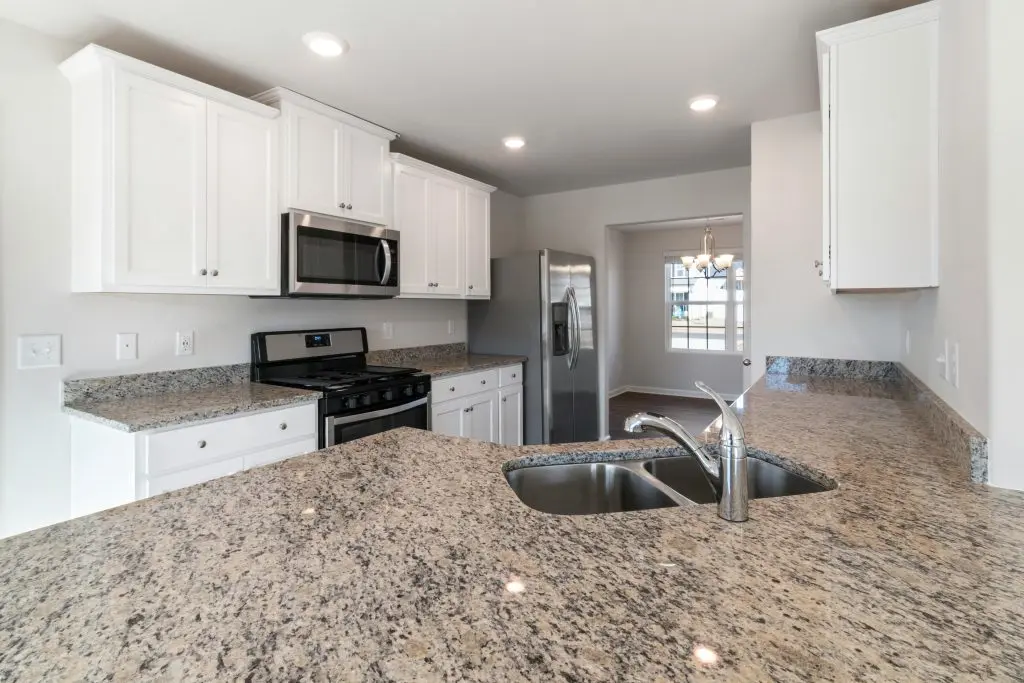
They can differ significantly in pattern and tone, but they usually share the general characteristics associated with that commercial stone name.
Are sequential granite slabs identical?
No. They are often similar, but natural variations can still appear between them.
Should I see the actual slab before buying granite?
Yes, especially for large kitchens, islands, or projects requiring multiple slabs.
Is granite more variable than quartz?
Usually, yes. Granite is natural, while quartz is engineered for more consistent patterning.
Can granite veins be matched across a seam?
Sometimes. It depends on slab pattern, seam location, dimensions, and fabrication constraints.
Does a more dramatic granite pattern cost more?
Sometimes. Price depends on availability, rarity, quarry source, slab size, and demand rather than pattern alone.
How long does fabrication take after templating?
Our typical fabrication period is about 7-10 days, assuming material availability and a project that is ready for production.
Granite Countertops for Fort Knox, KY
Granite Empire of Louisville is based in Louisville, KY and serves surrounding communities, including Fort Knox, KY. We provide material selection, templating, fabrication, sink and cooktop cutouts, edge finishing, delivery, and installation for granite, quartz, marble, and other countertop materials.
If you are comparing granite countertop stores in Fort Knox, KY, we can help you evaluate actual slabs, compare variation between pieces, plan seams and cutouts, and understand how the selected stone will be used before fabrication begins. Granite Empire of Louisville can then build the countertop layout around the real slab rather than relying on a small sample or color name alone.