

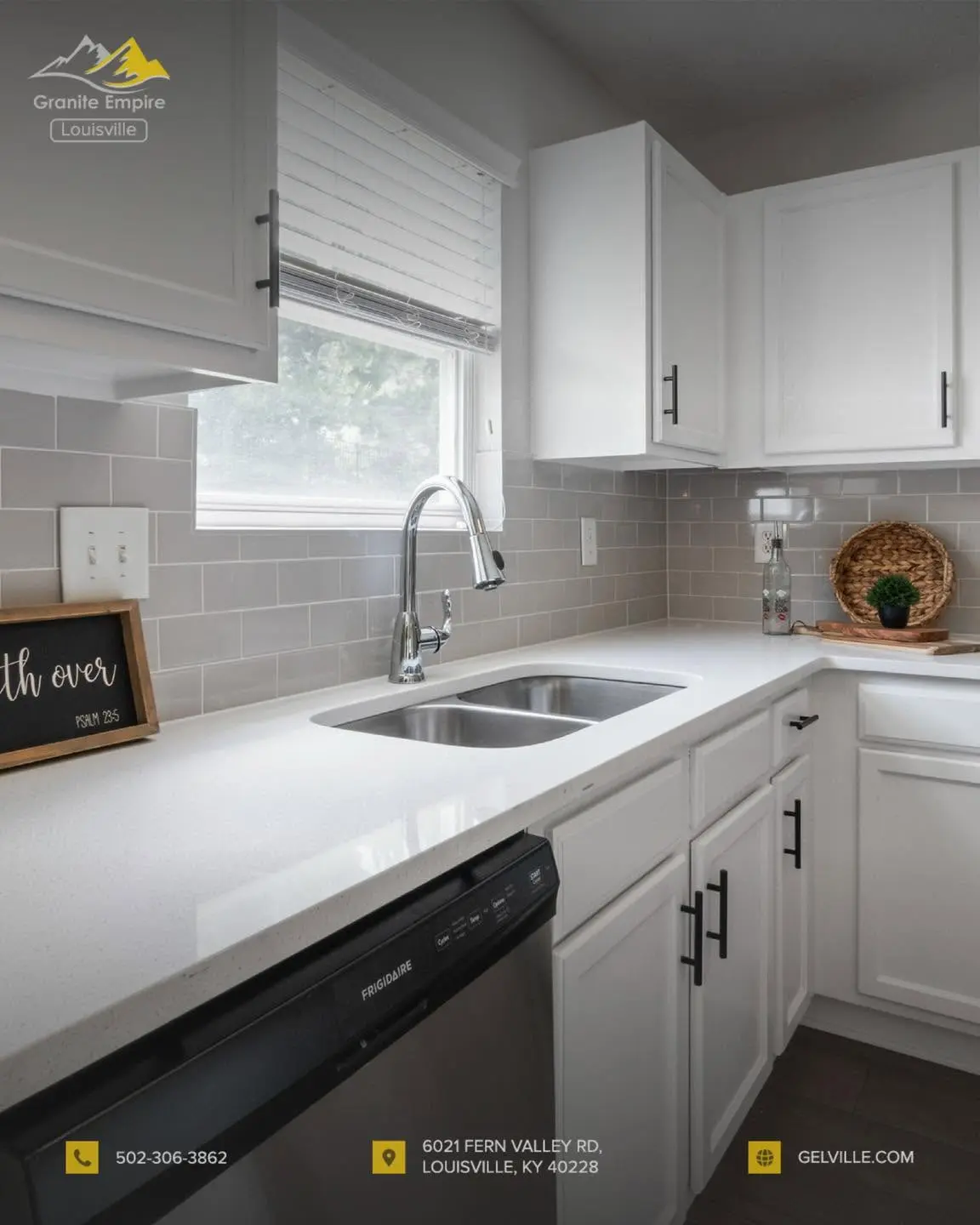
No, we generally do not recommend using bleach on quartz countertops unless the quartz manufacturer specifically approves that product and concentration. Quartz is engineered with a resin binder, and repeated exposure to harsh chemicals can affect the surface finish even when the stone itself appears unaffected.
When homeowners ask us about cleaning quartz, the question usually comes from a practical situation: a stubborn stain, food spill, or disinfecting routine. We understand the concern, especially in a busy kitchen, but the safest approach is to use a cleaner specifically intended for quartz or a mild soap-and-water solution.
At Granite Empire of Louisville, we help homeowners choose countertop materials and understand how to care for them after fabrication and installation. For homeowners comparing quartz with granite or marble, knowing how each material responds to cleaning products is part of making a practical long-term decision.
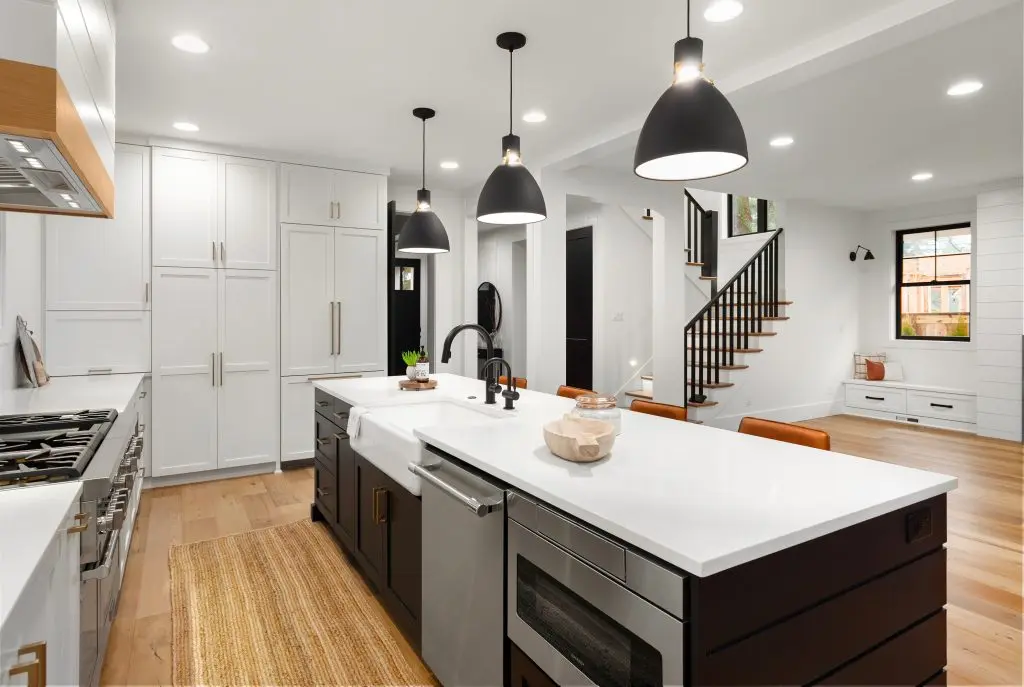
Is Bleach Safe for Quartz Countertops?
Bleach is not the routine cleaner we recommend for quartz countertops. While a brief, diluted exposure may not immediately cause visible damage on every quartz surface, repeated or concentrated exposure can create problems with the resin component and finish.
Quartz is made from natural quartz particles combined with resins and pigments. That engineered composition is why quartz behaves differently from granite and marble when exposed to chemicals.
For daily cleaning, we recommend:
- Warm water and a soft cloth
- Mild dish soap
- A manufacturer-approved quartz cleaner
- Prompt cleanup of spills
If a specific quartz manufacturer provides written instructions allowing a diluted bleach solution for a particular product, those instructions should take priority.
Why Can Bleach Damage Quartz?
Bleach can damage quartz because the surface is not made entirely of natural stone. The quartz particles themselves are chemically resistant, but the resin that binds the material can be more sensitive to aggressive chemicals.
Problems are more likely when bleach is:
- Used frequently
- Left sitting on the surface
- Applied at high concentration
- Combined with other cleaning chemicals
- Used contrary to the manufacturer’s care instructions
The risk is not always immediate. A countertop may look perfectly fine after one cleaning and gradually develop changes in appearance after repeated chemical exposure.
What Should You Use Instead of Bleach?
For most everyday cleaning, mild soap and water are the simplest option. A cleaner labeled specifically for quartz is another practical choice when you want a product designed for the material.
We recommend a basic routine:
- Remove crumbs and debris.
- Wipe the surface with a damp soft cloth.
- Use a small amount of mild dish soap for greasy areas.
- Rinse away residue.
- Dry the countertop with a clean cloth.
This routine is usually enough for normal kitchen messes. There is rarely a need to use aggressive chemicals on quartz simply because the countertop is being used for food preparation.
How Does Quartz Compare With Granite and Marble?
Quartz, granite, and marble all have different cleaning and maintenance requirements. Quartz generally offers a lower-maintenance routine, while granite requires periodic sealing and marble requires more careful protection from acids and staining.
| Material | Typical Starting Price | Routine Maintenance | Chemical Sensitivity |
|---|---|---|---|
| Granite | $39/sq. ft. | Cleaning + periodic sealing | Moderate |
| Quartz | $55/sq. ft. | Simple routine cleaning | Avoid harsh chemicals |
| Marble | $75/sq. ft. | Cleaning + sealing + careful use | Higher sensitivity to acids |
These are the starting prices provided for the materials in this project; the final project price can vary based on slab selection, fabrication, measurements, edge profiles, cutouts, and installation.
For homeowners considering quartz countertops in Fort Knox, KY, the relatively simple maintenance routine is one of the practical reasons quartz is often considered for busy kitchens.
Can You Use Diluted Bleach to Disinfect Quartz?
We would not make diluted bleach the standard disinfecting method for quartz. If disinfection is necessary, we recommend following the quartz manufacturer’s specific care instructions rather than assuming that every engineered stone surface responds the same way.
Different quartz brands can use different resin systems, finishes, and care recommendations. That is why the exact product information matters.
If you are unsure about a cleaning product, check:
- The quartz manufacturer’s care guide
- The product label
- The countertop fabricator’s maintenance recommendations
- Whether the product is specifically labeled for quartz
When there is conflicting advice online, the manufacturer’s instructions for the exact surface should be the deciding reference.
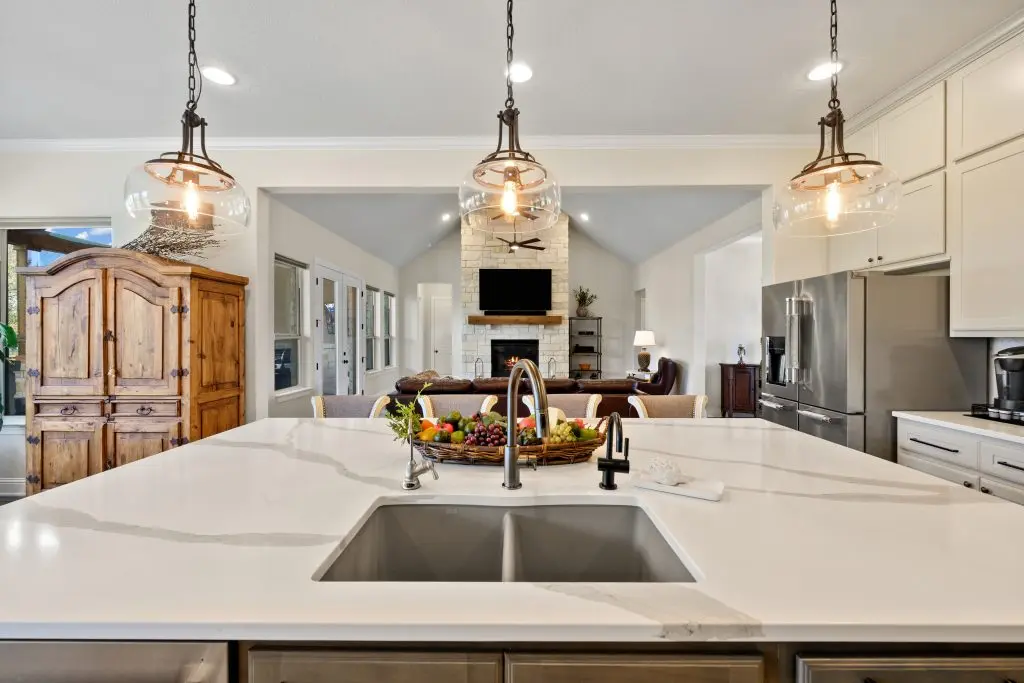
What Happens If Bleach Is Spilled on Quartz?
A brief accidental spill does not automatically mean the countertop is ruined. We recommend wiping the bleach away promptly, rinsing the area with clean water, and drying the surface rather than allowing the chemical to remain in contact with the countertop.
Do not scrub aggressively with an abrasive pad. If you notice a change in color, gloss, or texture after the spill, stop using additional chemicals and have the surface evaluated.
For homeowners with quartz countertops in Fort Knox, KY, this is an important distinction: accidental contact is different from using bleach as a regular cleaning product.
Can Bleach Remove Stains From Quartz?
Bleach is not the first solution we recommend for removing stains from quartz. The right treatment depends on what caused the discoloration.
Different stains can require different approaches:
| Stain or Mark | Better First Approach |
|---|---|
| Food residue | Mild soap + water |
| Grease | Mild dish soap |
| Dried spills | Gentle quartz-safe cleaner |
| Mineral residue | Manufacturer-approved cleaner |
| Unknown discoloration | Professional assessment |
The mistake we see most often is escalating to a stronger chemical simply because a mild cleaner did not work immediately. That can create a bigger surface problem than the original stain.
Does Quartz Need to Be Sealed?
No, most quartz countertops do not require routine sealing because the engineered surface is nonporous. This is one of the major maintenance differences between quartz and many natural stones.
Granite, for example, may require periodic sealing depending on the specific stone and finish. Marble generally needs more careful maintenance because it is more susceptible to staining and acid-related etching.
Quartz still needs appropriate cleaning. Nonporous does not mean chemically indestructible.
Can You Use Other Harsh Cleaners on Quartz?
We recommend avoiding harsh or highly abrasive cleaners unless the manufacturer specifically approves them. Bleach is only one example; strong solvents, abrasive powders, and certain heavy-duty cleaners can also create unnecessary risk.
We suggest avoiding routine use of:
- Abrasive scouring powders
- Steel wool
- Strong solvents
- Oven cleaners
- Drain cleaners
- Highly concentrated disinfectants
- Unapproved chemical combinations
Never mix bleach with ammonia, acids, or other household cleaners. Dangerous fumes can result.
How Do You Protect Quartz Countertops From Everyday Damage?
The easiest way to protect quartz is to combine appropriate cleaning with sensible kitchen habits. Quartz is designed for everyday use, but it still benefits from basic precautions.
We recommend:
- Use trivets for very hot cookware.
- Use cutting boards instead of cutting directly on the countertop.
- Clean spills promptly.
- Avoid abrasive scrubbers.
- Follow the manufacturer’s care instructions.
- Do not leave strong chemicals sitting on the surface.
This is particularly useful for busy households where the kitchen is used throughout the day.
How Long Does Quartz Countertop Installation Take?
A typical quartz countertop project can take about 7-10 days from the measurement and fabrication process to installation, depending on material availability and project requirements. The exact schedule can change if a particular slab needs to be ordered or if the project has complex fabrication requirements.
Our installation process can include:
- Reviewing the project and material.
- Taking precise measurements.
- Preparing fabrication plans.
- Cutting the quartz.
- Completing edge finishing and cutouts.
- Delivering the finished countertop.
- Installing and checking the finished surface.
At Granite Empire of Louisville, we coordinate fabrication and installation so the countertop fits the cabinets, sink, and planned layout correctly.
Is Quartz a Good Choice for a Busy Kitchen?
Yes, quartz is often a practical choice for busy kitchens because it combines a nonporous surface with relatively simple daily maintenance. However, we still tell homeowners that quartz should be treated as a finished surface rather than an indestructible material.
For a family kitchen, the biggest advantages are:
- Easy routine cleaning
- No regular sealing for most quartz products
- Consistent appearance
- Broad selection of colors and patterns
- Good resistance to everyday staining
The main limitation is that homeowners still need to protect the surface from excessive heat, abrasive materials, and inappropriate chemicals.
What Should You Do Before Buying Quartz?
Before purchasing quartz, we recommend asking about the exact product’s care requirements rather than relying only on general information about quartz. Different manufacturers can publish different cleaning and warranty requirements.
We encourage homeowners to confirm:
- Which cleaners are approved
- Whether bleach is permitted
- Heat-related care recommendations
- Warranty limitations
- Sealing requirements, if any
- Recommended maintenance products
This small amount of research can prevent avoidable problems later.
How Much Do Quartz Countertops Cost?
Quartz countertops in our pricing example start at $55 per square foot. The final price depends on the slab, countertop dimensions, fabrication, cutouts, edge profile, delivery, and installation.
For comparison, the starting prices provided for the other materials are:
- Granite: $39/sq. ft.
- Quartz: $55/sq. ft.
- Marble: $75/sq. ft.
At Granite Empire of Louisville, we consider the complete scope of fabrication and installation when discussing a countertop project, rather than treating the material price as the entire cost.
FAQ
Can I use bleach on quartz countertops?
We generally do not recommend routine bleach use on quartz unless the manufacturer specifically approves it for that product.
What is the safest way to clean quartz?
Warm water, a soft cloth, and mild dish soap are suitable for routine cleaning, or you can use a cleaner specifically approved for quartz.
Does bleach permanently damage quartz?
Not necessarily after every accidental contact, but repeated, concentrated, or prolonged exposure can damage the resin or finish.
Can I use vinegar on quartz?
We recommend checking the manufacturer’s care instructions before using vinegar or other acidic cleaners because quartz products can have different recommendations.
Does quartz need to be sealed?
Most quartz countertops do not require routine sealing because they are nonporous.
Is quartz more expensive than granite?
In the pricing example used here, quartz starts at $55 per square foot and granite starts at $39 per square foot. Actual project costs depend on the complete scope of work.
How long does quartz countertop installation take?
A typical project can take about 7-10 days from measurement and fabrication through installation, depending on material availability and project complexity.
Quartz Countertops in Louisville, KY
Granite Empire of Louisville serves Louisville, KY and surrounding communities, including Fort Knox, KY, with countertop fabrication and professional installation for granite, quartz, and marble. We help homeowners compare materials based on appearance, maintenance, budget, and how they actually use their kitchens.
If you are considering quartz countertops in Fort Knox, KY, our team can help you choose a surface and plan the fabrication and installation process. We can also explain the manufacturer’s care requirements so you know exactly how to maintain your new countertop after installation.