


Granite countertops are a popular choice for homeowners due to their natural beauty, durability, and resistance to heat and scratches. However, many people are unsure about whether granite needs to be sealed and, if so, when and why sealing matters. In this article, we’ll dive into the importance of sealing granite, how to maintain it, and how often it needs to be done to keep your granite countertops looking their best.

What Is Granite Sealing?
Granite is a natural stone, and like all stone surfaces, it has pores and microscopic channels that can absorb liquids and stains. Granite sealing is the process of applying a protective layer to the surface that fills these pores, making the stone less porous and more resistant to staining and moisture. Without sealing, granite can absorb liquids such as oils, coffee, wine, and other substances that can discolor or damage the stone.
Sealing is particularly important for countertops that are used in kitchens, bathrooms, or other high-traffic areas. However, not all granite surfaces require sealing, and the need for it depends on the type of granite and how it’s used. It’s important to understand the difference between sealed and unsealed granite and why sealing is crucial for certain applications.
Why Is Sealing Important?
The main reason for sealing granite countertops is to protect them from damage. The sealing process prevents liquids from penetrating the stone and causing staining or discoloration. Here are some of the key benefits of sealing granite:
- Stain Resistance: Granite is porous, which means that liquids can soak into the stone and leave permanent stains. Sealing the granite creates a barrier that repels liquids and prevents them from seeping into the stone.
- Easy Maintenance: Sealed granite is much easier to clean because spills are less likely to penetrate the surface. You can wipe up spills without worrying about permanent stains.
- Longevity: Sealing granite countertops extends their lifespan by preventing moisture from penetrating the stone and causing cracks, discoloration, or other damage. Proper sealing helps maintain the integrity of the stone.
- Appearance: Sealing granite enhances the stone’s natural beauty by adding a subtle shine and depth to its color. It also makes the stone look cleaner and fresher.
When Should Granite Be Sealed?
One of the most common questions people ask is, “How often should granite countertops be sealed?” The answer to this question depends on the type of granite, how it’s used, and the type of sealant applied. In general, granite countertops should be resealed every 1-2 years, but this can vary based on a few factors:
Absorbency Test: The best way to determine if your granite countertops need resealing is by conducting a simple absorbency test. To do this, place a few drops of water on your granite countertop and leave them for about 15-20 minutes. If the water beads up and does not soak into the stone, your granite is sealed and doesn’t need resealing. If the water soaks in and leaves a dark mark, it’s time to reseal your countertops.
Frequency of Use: Granite countertops in high-traffic areas, such as kitchens, may need resealing more often than those in low-traffic areas like bathrooms or guest rooms. The more you use your granite countertop, the more wear and tear it will experience, and the more frequently it will need resealing.
Type of Granite: Some types of granite are more porous than others, and may need to be sealed more frequently. Lighter-colored granites tend to be more porous, while darker-colored granites may require less frequent sealing.
Quality of Sealant: Some granite countertop stores in Prospect, KY offer premium sealants that provide longer-lasting protection. These high-quality sealants may require less frequent reapplication, so it’s important to choose a reliable product for your countertops.
Environmental Factors: If your granite is exposed to harsh chemicals, heavy moisture, or extreme temperatures, it may require more frequent resealing. Granite in outdoor kitchens, for example, may need resealing more often due to exposure to the elements.

How to Seal Granite Countertops
Sealing granite is a relatively simple process, but it’s important to follow the correct steps to ensure that the sealant adheres properly and provides maximum protection. If you’re unsure about sealing your countertops yourself, it’s always a good idea to consult with professionals at one of the granite countertop stores in Prospect, KY, or seek the help of Granite Empire of Louisville for expert advice and services.
Here’s a step-by-step guide on how to seal granite countertops:
Clean the Surface: Before applying any sealant, make sure your granite countertops are clean and free of dirt, grease, or oils. Use a gentle cleaner that’s safe for granite to wipe down the surface.
Apply the Sealant: Using a soft cloth or a sponge, apply the sealant evenly across the entire surface of the granite. Make sure to cover all areas, including edges and seams. Most sealants will need to be applied in a circular motion for even coverage.
Let It Sit: After applying the sealant, let it sit for 10-15 minutes to allow it to soak into the stone. Follow the manufacturer’s instructions on how long the sealant should be left on before wiping off the excess.
Buff the Surface: Once the sealant has been absorbed, use a clean, dry cloth to buff the granite surface and remove any excess product. Buffing the surface also enhances the shine of the granite.
Allow to Dry: Let the granite countertops dry completely before using them again. Depending on the sealant, this may take a few hours.
Do All Granite Countertops Need Sealing?
Not all granite countertops need to be sealed. Some high-quality granite slabs come pre-sealed at the factory, meaning that they won’t need additional sealing after installation. Additionally, some granite varieties, particularly those with low porosity, may not require sealing at all.
However, it’s still a good idea to check with experts at granite countertop stores in Prospect, KY, or Granite Empire of Louisville, as even pre-sealed granite may need resealing over time to maintain its protective layer.
How Granite Empire of Louisville Can Help
If you’re unsure whether your granite countertops need sealing or if you need help sealing them properly, Granite Empire of Louisville is here to help. Our team of experts is well-versed in granite countertop care, and we offer professional sealing services to ensure that your countertops are protected from stains and damage.
We also offer high-quality granite slabs that are carefully sourced and treated to provide maximum durability and longevity. Whether you’re installing new granite countertops or need to maintain your existing ones, Granite Empire of Louisville has the knowledge and expertise to help you every step of the way.
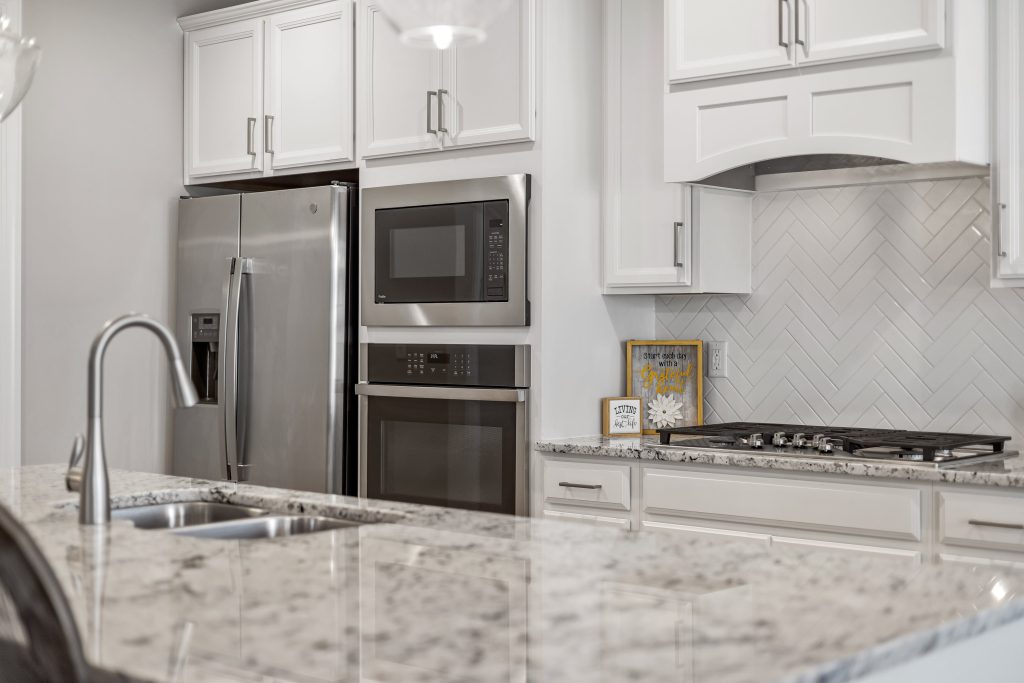
Granite is a beautiful, durable, and versatile material for countertops, but it requires proper maintenance to keep it looking its best. Sealing is a key aspect of granite care, providing protection from stains, moisture, and damage. While not all granite countertops need sealing, it’s important to understand when and why sealing matters to keep your granite looking as beautiful as the day it was installed.
If you’re looking for granite countertops or need advice on sealing, visit Granite Empire of Louisville or one of the granite countertop stores in Prospect, KY. Our team is ready to provide expert advice, quality products, and professional services to keep your granite countertops in top condition for years to come.