

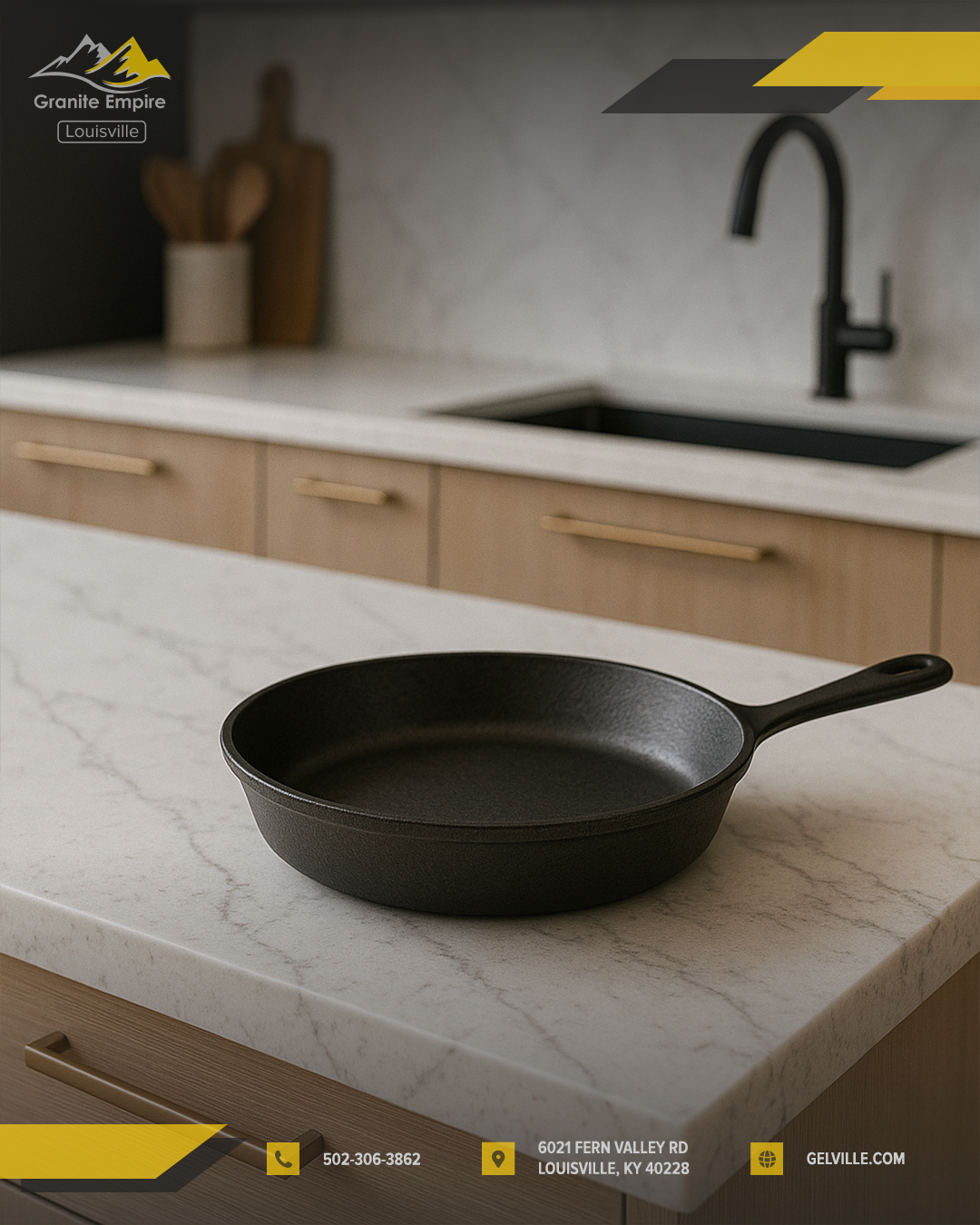
When it comes to choosing the perfect countertop for your kitchen, durability and resistance to heat are two of the most important factors to consider. After all, your kitchen is the heart of the home, where cooking, cleaning, and entertaining happen every day. As you make your decision, it’s likely that you’ve considered quartz countertops due to their beauty and functionality. But, have you ever wondered what happens when a hot pan makes contact with quartz?
At Granite Empire of Louisville, we specialize in quartz countertops in Charlestown, IN and believe it’s essential for homeowners to understand how their countertop material reacts in different situations. In this article, we’ll explore the effects of placing a hot pan on quartz, and what you can expect when using quartz countertops in your kitchen.
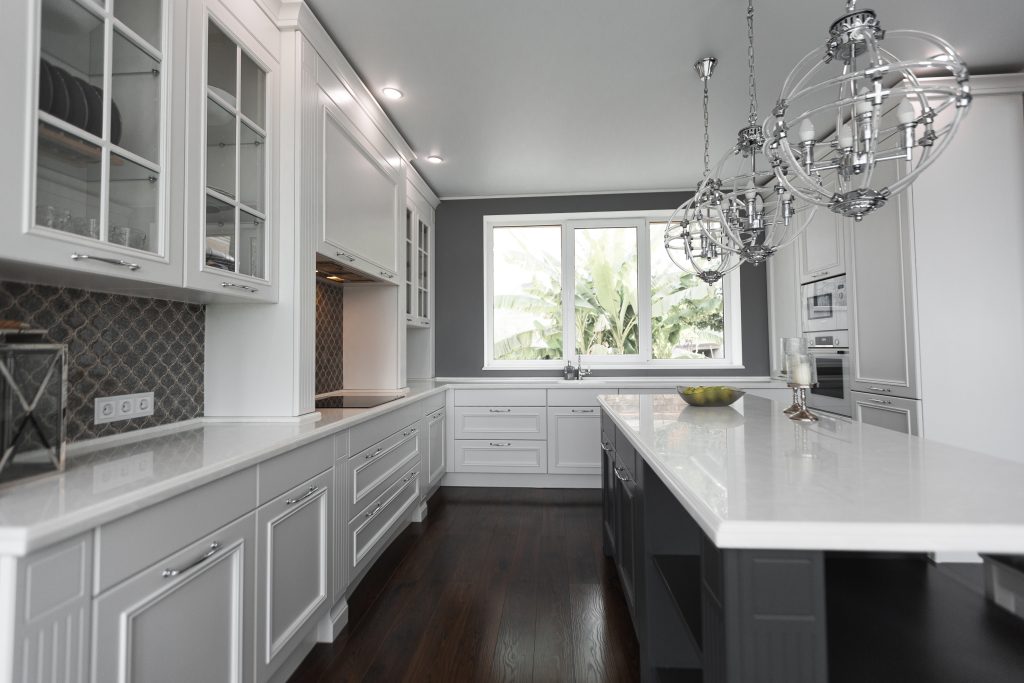
The Composition of Quartz: Understanding Its Durability
Before we dive into the specifics of what happens when a hot pan meets quartz, let’s take a moment to understand the material itself. Quartz countertops are engineered stone surfaces made from a mixture of natural quartz crystals, resins, and polymers. This composition makes quartz countertops incredibly durable, non-porous, and resistant to scratches, stains, and other forms of damage.
Despite their toughness, quartz countertops do have limitations when it comes to heat. While quartz is more heat-resistant than some other materials, it is not entirely impervious to damage from high temperatures. Now, let’s discuss what really happens when a hot pan meets quartz.
The Science Behind Quartz and Heat Resistance
When you place a hot pan directly onto a quartz countertop, the heat from the pan can be absorbed by the surface. As quartz countertops are made with resins and polymers, these materials can soften or even degrade when exposed to high heat. The higher the temperature of the pan, the greater the risk of damaging the countertop.
What can happen:
- Thermal Shock: Rapid temperature changes, such as placing a hot pan on a cool countertop, can cause thermal shock. This sudden shift in temperature can weaken the bonds in the resin, leading to cracks or discoloration over time.
- Surface Damage: While quartz countertops are designed to be heat-resistant, they can still be damaged by extreme heat. Prolonged exposure to high temperatures can cause the surface to warp, discolor, or lose its glossy finish.
If you’re concerned about heat damage, it’s essential to use trivets, hot pads, or cutting boards to protect your quartz countertops in Charlestown, IN from the effects of hot cookware. While quartz countertops are durable, it’s always a good idea to take extra precautions to keep them looking their best.
What Happens When You Place a Hot Pan on Quartz
Now that we understand the risks associated with placing a hot pan on quartz, let’s talk about what happens in more detail.
1. Discoloration:
When a hot pan is placed on quartz, it can cause discoloration to the surface. Depending on the intensity of the heat and how long the pan remains on the countertop, the heat may leave a permanent mark, especially on lighter-colored quartz. This can lead to an uneven appearance, making your countertop look worn out or damaged.
2. Surface Cracking:
Although quartz is a durable material, it is not entirely immune to thermal shock. Rapid temperature fluctuations can cause cracks to form on the surface of the countertop. This is particularly true if a very hot pan is placed on a cold surface. The uneven expansion of the material can lead to fissures, making the countertop less aesthetically pleasing and potentially weakening the surface.
3. Loss of Shine:
One of the most appealing aspects of quartz countertops is their polished, glossy surface. However, placing hot pans directly onto the surface can cause the shine to diminish over time. The heat can break down the resin that gives quartz its lustrous finish, leaving the surface looking dull or cloudy.
At Granite Empire of Louisville, we recommend taking extra care when handling hot cookware on your quartz countertops in Charlestown, IN. Protecting your countertops from heat damage will help maintain their appearance and longevity.
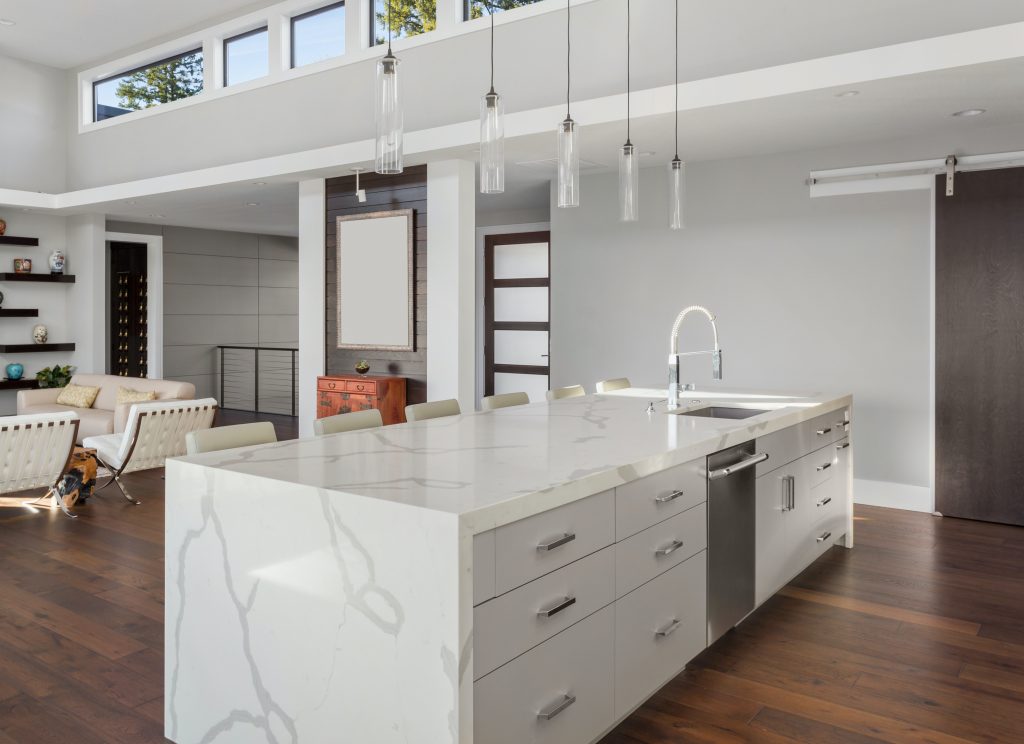
How to Protect Your Quartz Countertops from Heat Damage
While quartz countertops are designed to withstand heat to a certain extent, it’s still important to be proactive in protecting them. Here are a few tips to help keep your quartz countertops in Charlestown, IN looking like new:
- Use Trivets or Hot Pads:
Whenever you need to place a hot pan or pot on the countertop, always use trivets, hot pads, or heat-resistant mats. These tools will create a barrier between the hot cookware and your countertop, preventing direct heat contact. - Avoid Placing Pans Directly on the Countertop:
Even if the pan isn’t scalding hot, it’s best not to place it directly on the surface of your quartz countertop. Instead, use a cutting board or tray to protect the surface. - Let Pans Cool Down First:
Whenever possible, let your pans cool down before setting them on the countertop. This reduces the risk of thermal shock and minimizes the potential for discoloration or cracking. - Reseal Regularly:
Quartz countertops are non-porous, meaning they don’t need the same sealing process as granite. However, resealing is essential for maintaining their protective layer and ensuring the surface remains resistant to stains and minor damage. At Granite Empire of Louisville, we can guide you on the best ways to maintain your quartz countertops in Charlestown, IN. - Clean Regularly:
Keep your quartz countertops clean by wiping up spills and using gentle, non-abrasive cleaning products. Regular cleaning will help prevent buildup of oils and food particles that could attract heat or cause stains.
Why Choose Quartz for Your Countertops?
Despite the concerns about heat exposure, quartz is still a popular choice for homeowners due to its many benefits. Here are some reasons why quartz countertops in Charlestown, IN are worth considering:
- Durability: Quartz is a tough and resilient material that is resistant to scratches, stains, and chips.
- Low Maintenance: Unlike granite, quartz doesn’t need to be sealed and is easier to maintain in the long run.
- Variety of Colors and Patterns: Quartz countertops come in a wide range of colors and patterns, making them a versatile option for any kitchen or bathroom design.
- Non-Porous: The non-porous nature of quartz makes it resistant to bacteria and germs, making it a more hygienic option for kitchens and bathrooms.
At Granite Empire of Louisville, we offer a wide selection of quartz countertops in Charlestown, IN that are perfect for enhancing your home’s aesthetics and functionality.