

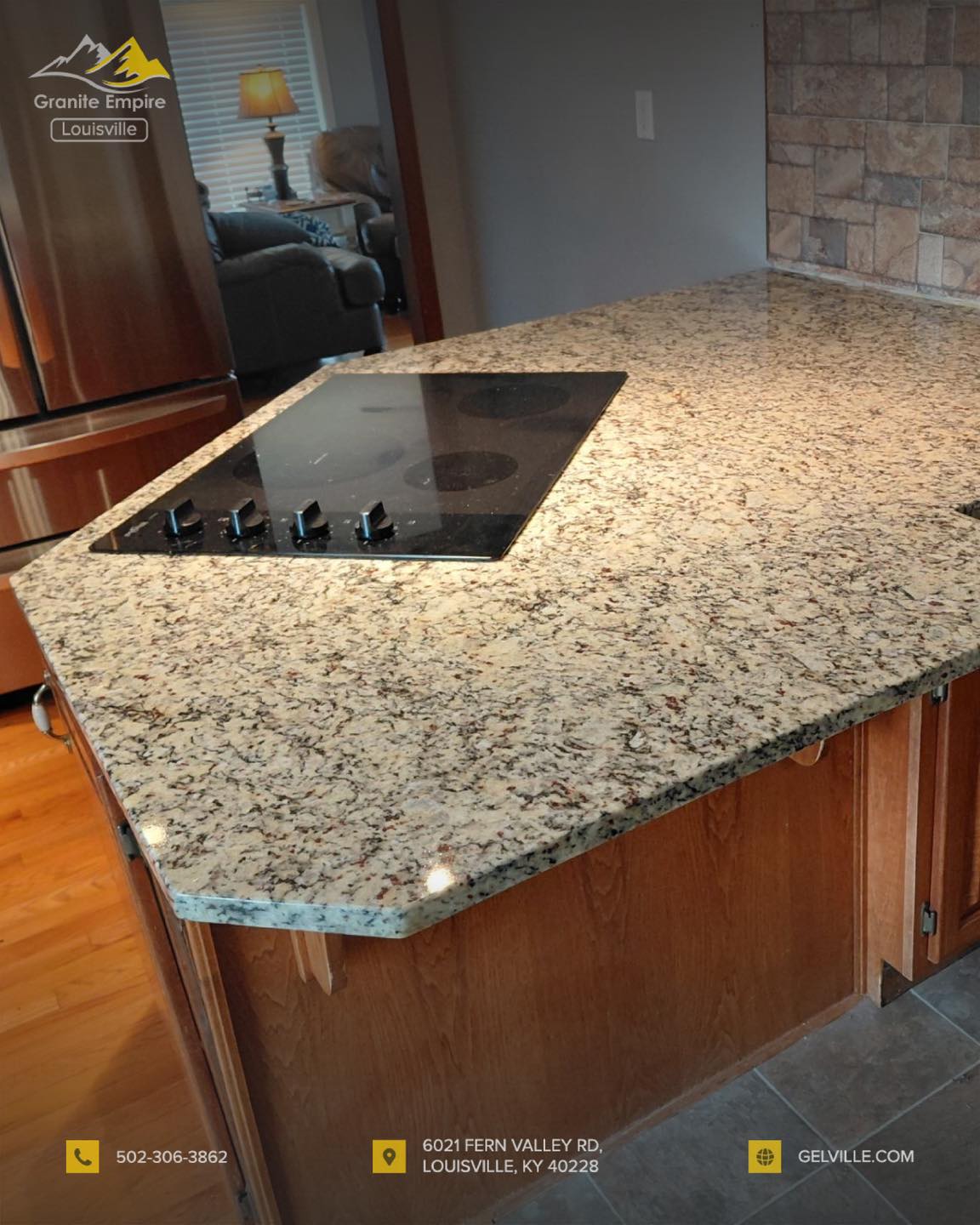
There’s a moment in every stone project when homeowners realize they aren’t just buying granite—they’re buying decisions. The slab color is one decision. The edge profile is another. Seam placement, sink cutouts, thickness, timing… it adds up. And then comes the question that can change the entire budget and the entire look: should you buy a full slab, or can you do this project with remnants?
Remnants are often talked about like a secret bargain menu. Full slabs are presented like the “proper” way to do things. The truth is more practical: remnants and full slabs are different tools. Each can be the smartest choice depending on the space, the layout, and what you expect the finished countertop to look like every day.
At Granite Empire of Louisville, we help homeowners planning custom granite countertops in Okolona, KY choose the option that makes sense—not just financially, but visually and structurally. Because “smarter” isn’t always “cheaper,” and “bigger” isn’t always “better.” The smartest choice is the one that gives you the look you want without paying for stone you don’t need—or compromising the final result with seams you’ll hate.
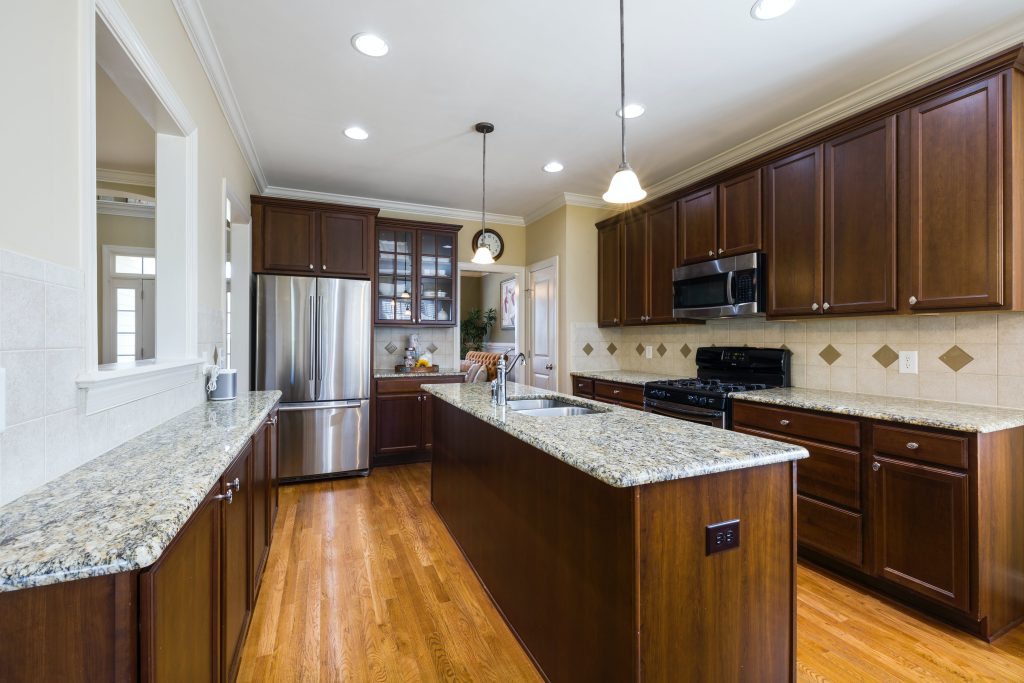
What Remnants Really Are (And Why They’re Not “Leftovers” in a Bad Way)
A remnant is simply a piece of stone left after a larger project. That could be a big kitchen, a large island, or a commercial job. In many cases, remnants come from premium slabs. The stone itself isn’t lower quality. It’s just smaller.
This is why remnants can be a surprisingly elegant option for certain projects. A powder room vanity can look like a high-end boutique bathroom with a dramatic remnant. A laundry room counter can feel “custom” without the full-slab price tag. A wet bar, coffee station, built-in, or small kitchenette can be upgraded with stone that would have been far more expensive if purchased as a full slab for a large kitchen.
For homeowners considering custom granite countertops in Okolona, KY, the remnant option becomes especially compelling when the project is small, the layout is simple, and the goal is impact without waste.
At Granite Empire of Louisville, we don’t treat remnants like a downgrade. We treat them like an opportunity—when the project shape is right.
What a Full Slab Buys You That Remnants Sometimes Can’t
A full slab gives you freedom. That’s the simplest way to explain it.
With a full slab, the fabricator can plan the layout more intentionally. They can position veining so it looks purposeful. They can avoid seams or place seams in less noticeable locations. They can make a long run feel continuous. They can design an island so the pattern lands exactly where you want it.
And in kitchens, that flexibility matters. Kitchens often involve long runs, corners, sink cutouts, cooktop cutouts, and islands. Even a modest kitchen can require more stone than people expect once you account for returns, overhangs, and the way pieces need to be cut for strength and fit.
If your project is a kitchen with multiple runs or an island, and you’re aiming for a cohesive “one-piece” look, a full slab is often the smarter choice for custom granite countertops in Okolona, KY—not because remnants can’t work, but because full slabs give you control.
At Granite Empire of Louisville, we often say this: remnants maximize value; full slabs maximize control.
The Seam Conversation: The Real Divider Between Remnants and Full Slabs
If you want to decide quickly, focus on seams. Seams aren’t automatically bad. A well-made seam can be subtle and strong. But seam placement affects daily life in ways homeowners don’t always anticipate.
A seam placed in a busy prep area can become a crumb trap. A seam placed near the sink can be constantly exposed to moisture and cleaning. A seam placed under strong lighting can become visually obvious even if it’s technically well done. And a seam placed without regard to pattern can make the stone look random or disjointed.
Remnants increase the chance of seams because you’re working with smaller pieces. Full slabs reduce that chance—or at least give more options to place seams where they won’t annoy you.
When homeowners plan custom granite countertops in Okolona, KY, we encourage them to ask one direct question: “Where would the seams be with remnants, and where would they be with full slabs?” That comparison often makes the smarter choice obvious.
At Granite Empire of Louisville, seam planning is part of our process because it’s one of the biggest drivers of long-term satisfaction.

When Remnants Are the Smarter Choice for Custom Granite Projects
There are certain projects where remnants are not just acceptable—they’re often ideal.
Bathroom vanities are the clearest example. Most vanities simply don’t require a full slab. If the vanity is a single sink and the layout is straightforward, a remnant can deliver a custom look without unnecessary material cost. Even double vanities can sometimes be done with remnants if the pieces are large enough.
Laundry rooms, mudrooms, and utility spaces are another strong match. These areas benefit from stone durability and style, but they rarely need long seamless runs. Remnants can elevate these rooms while keeping the budget realistic.
Wet bars, beverage stations, and coffee nooks are perfect remnant projects. They are typically smaller surfaces where a beautiful stone can become a focal point. In fact, remnants can be the smartest way to achieve a bold look in a compact area.
Even small kitchen projects—like replacing a single section of countertop or doing a small island—can occasionally work with remnants if the measurements and pattern allow it.
For homeowners investing in custom granite countertops in Okolona, KY, remnants are often the smartest choice when the project is compact and the goal is maximum visual payoff per dollar.
At Granite Empire of Louisville, we love recommending remnants for these upgrades because they make “custom” feel attainable.
When Full Slabs Are the Smarter Choice (And Why the Extra Material Pays Off)
Full slabs become the smarter option when continuity matters or when the layout is complicated.
If you have a large kitchen with long runs, a full slab (or multiple full slabs) often prevents awkward seam placement. It allows the fabricator to keep the most visible surfaces cleaner and more continuous.
If you want a waterfall island, full slabs are usually the smarter move. Waterfalls require pattern alignment down the side panels. Remnants can sometimes accomplish this, but the remnant must be large enough and the pattern must be compatible. Most of the time, full slabs provide the control needed to make waterfalls look intentional rather than pieced together.
If you’re choosing a stone with dramatic movement, full slabs often make more sense. Pattern placement becomes part of the design, and full slabs give the most options to create that “designer” flow across runs and islands.
Full slabs can also be the smarter choice if your timeline is tight and you don’t want to depend on remnant availability. Remnants are inventory-based. The perfect piece may be there today and gone tomorrow.
When homeowners plan custom granite countertops in Okolona, KY and want a cohesive, premium look in a high-visibility kitchen, full slabs are often the safer long-term investment.
At Granite Empire of Louisville, we recommend full slabs when the kitchen layout demands it and when the homeowner’s priorities align with fewer seams and more control.
The “Perfect Remnant” Expectation: A Common Trap
One reason remnants sometimes disappoint isn’t the stone. It’s the expectation.
Remnants aren’t ordered like a catalog item. They exist because someone else’s project created them. That means you may need flexibility. You may not find the exact color you imagined at the exact moment you’re shopping. If you need a highly specific look, full slabs are more reliable because you can select exactly what you want.
If you’re open-minded, remnants can be exciting. You can stumble on stones you wouldn’t have considered and end up with a more unique result. But if you’re rigid about the exact tone, pattern, and brightness level, remnants can feel like a frustrating search.
Homeowners choosing custom granite countertops in Okolona, KY do best with remnants when they approach them as an opportunity, not as a guaranteed shortcut.
At Granite Empire of Louisville, we help clients evaluate remnants quickly and realistically so they don’t waste time chasing an idea that doesn’t fit the inventory.
The Smart Decision Framework: Value vs Control
If you want the smartest way to choose without overthinking, it’s this:
Choose remnants when your project is smaller, seam risk is low, and you want maximum value without paying for unused stone.
Choose full slabs when your project requires long continuous runs, you care deeply about seam placement and pattern flow, or the design includes islands and waterfalls where continuity matters.
Then ask yourself one personal question: do you prefer flexibility or certainty? Remnants reward flexibility. Full slabs deliver certainty.
For many homeowners investing in custom granite countertops in Okolona, KY, that one question becomes the deciding factor.
At Granite Empire of Louisville, our job is to make sure whichever path you choose feels intentional—not like a compromise you discover after installation day.
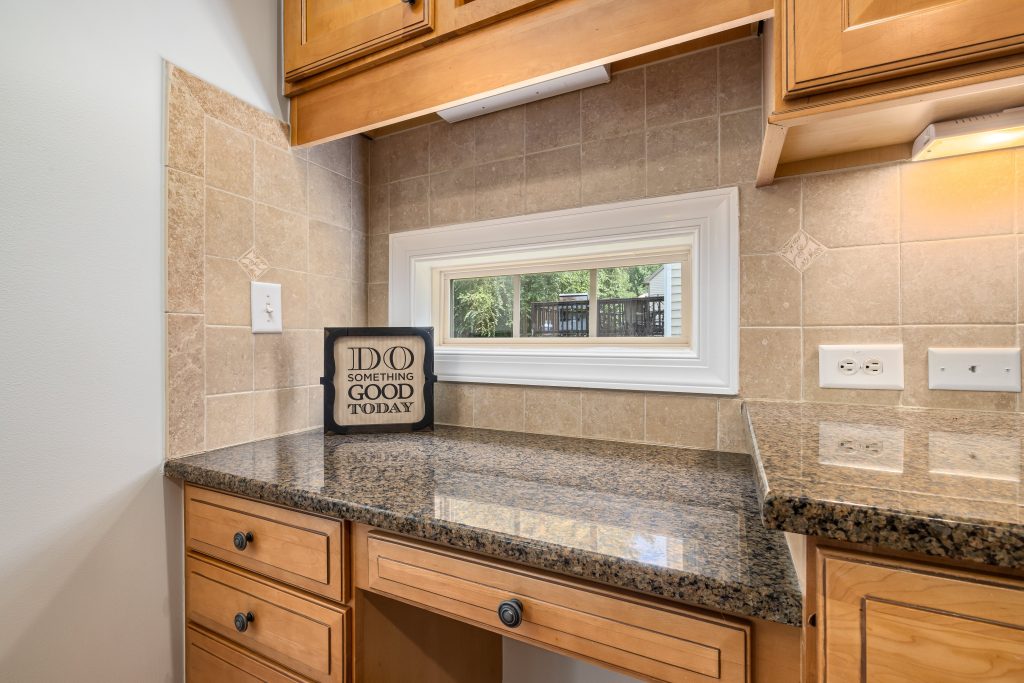
Smarter Isn’t One Answer—It’s the Right Fit for Your Project
Remnants can be the smartest option when you’re upgrading a vanity, a laundry room, a wet bar, or a compact surface where one beautiful piece of stone can do the job without seams and without wasted material. Full slabs can be the smartest option when you’re building a cohesive kitchen, planning an island, managing complex layout cuts, or aiming for that seamless “one design” look that makes a space feel high-end.
The key is choosing based on the project—not on myths.
If you’re planning custom granite countertops in Okolona, KY, Granite Empire of Louisville can help you compare both options with clarity: how many seams you’d have, where they’d go, what your layout would look like, and what the most practical use of stone would be for your space. Because the smartest countertop decision isn’t the one that sounds right in theory. It’s the one that looks right, fits right, and feels right every day you live with it.