


Granite is one of the most sought-after countertop materials for a reason. It’s durable, elegant, and timeless—perfect for busy kitchens that see everything from casual breakfasts to holiday feasts. But while granite is impressively tough, it’s not invulnerable. Certain substances can quietly compromise its appearance and longevity if not handled correctly. At Granite Empire of Louisville, we’ve seen this time and time again with everyday items like coffee, lemon juice, and olive oil.
These common kitchen staples may seem harmless, but when they come into contact with granite kitchen countertops in Prospect, KY, they can leave behind long-term damage. In this article, we’ll break down why these three ingredients are considered granite’s worst enemies, how to prevent the damage they can cause, and what you can do to maintain your countertops for years to come.
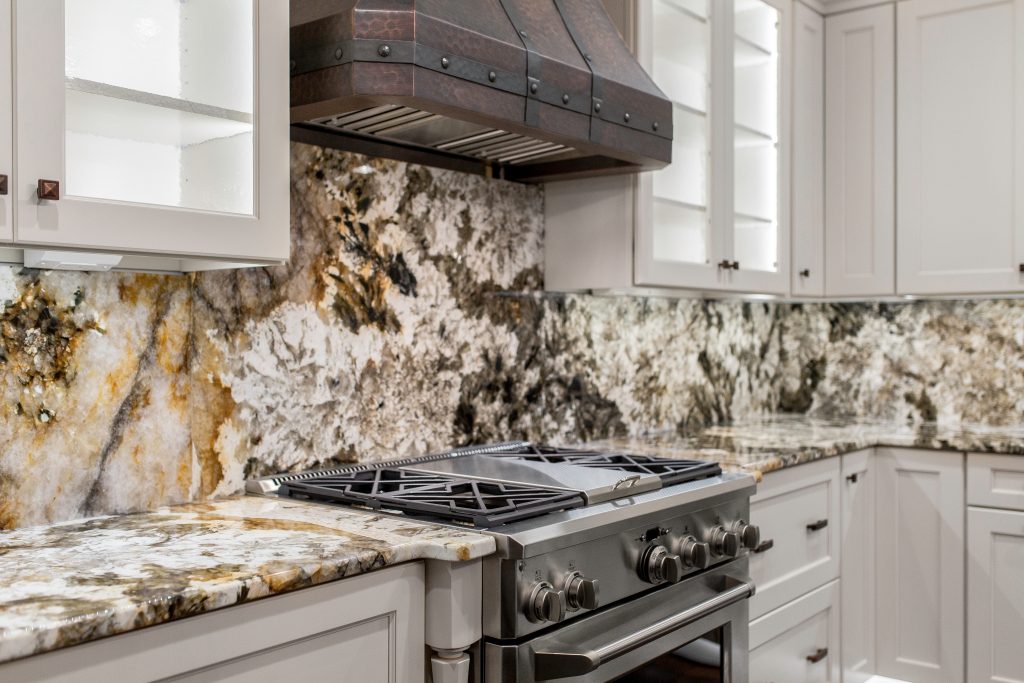
The Stain Struggle: Why Coffee Is a Hidden Threat
Coffee is one of the most beloved beverages in the world—and also one of the most problematic for granite. Even though granite is dense and durable, it is still porous. This means that any liquid left sitting on the surface has the potential to seep into the stone.
On granite kitchen countertops in Prospect, KY, coffee spills that aren’t cleaned up immediately can leave dark, stubborn stains that are incredibly difficult to remove. The deep pigmentation in coffee penetrates even sealed surfaces over time, especially if the sealant is worn or poorly maintained.
At Granite Empire of Louisville, we often encounter homeowners who didn’t realize their morning brew could tarnish their pristine counters. Prevention is simple but requires consistency—wiping up spills immediately, using coasters or trays near coffee makers, and resealing your granite regularly to maintain that vital protective barrier.
The Acidic Offender: How Lemon Juice Causes Etching
Lemon juice seems innocent enough, right? After all, it’s just a fruit. But the acidity of lemon juice makes it one of the most damaging substances for natural stone surfaces. While granite is more acid-resistant than marble, prolonged contact with acidic liquids can still lead to a dulling of the surface—a phenomenon known as etching.
Etching doesn’t stain the countertop, but it changes the texture and look of the finish. What was once glossy and smooth becomes rough and uneven. This is especially noticeable on darker granite kitchen countertops in Prospect, KY, where the difference in sheen is more visible.
Granite Empire of Louisville frequently educates customers on the risk of acidic substances during the installation process. Lemon juice, vinegar, tomato sauce—these are all substances that should be cleaned up promptly. If you’re prepping citrus fruits, always use a cutting board, and avoid letting juice sit directly on the stone.
The Oily Intruder: Why Olive Oil Can Be Dangerous
Olive oil might be the cornerstone of your cooking, but it’s also one of the most common culprits behind greasy, hard-to-remove stains on granite. Because it’s a lipid, oil behaves differently from water-based liquids. It doesn’t evaporate and can easily seep into the porous surface of granite kitchen countertops in Prospect, KY, especially in areas like near the stove or on prep islands.
What makes oil particularly tricky is that the stain doesn’t always appear immediately. It can darken the stone over time, creating blotchy spots that are almost impossible to lift without professional-grade poultices or cleaning agents.
At Granite Empire of Louisville, we advise clients to keep oil bottles on trays, wipe surfaces regularly after cooking, and reseal countertops every 12–18 months to reduce oil absorption. Prevention is far easier—and cheaper—than trying to reverse damage later.

Understanding Granite’s Porosity and Sealant Role
One key reason coffee, lemon juice, and olive oil are such major threats lies in granite’s natural porosity. Though granite is a hard stone, it has tiny pores that can absorb liquids if left untreated or unsealed.
That’s why sealing is critical. The sealant acts like a protective raincoat for your granite kitchen countertops in Prospect, KY. It helps repel moisture and stains and gives you time to wipe away harmful substances before they soak in. However, sealants don’t last forever. They wear down with use, cleaning, and time.
Granite Empire of Louisville offers sealant application services and can guide you on how to check whether your countertops need resealing. A good rule of thumb? Sprinkle a few drops of water on the surface—if it beads up, your sealant is intact. If it soaks in, it’s time for a refresh.
Habits That Prevent Damage
Protecting granite kitchen countertops in Prospect, KY isn’t difficult—it just takes a few smart habits:
- Use Cutting Boards and Trays
Avoid prepping acidic or oily foods directly on the countertop. Use cutting boards and trays as a buffer. - Wipe Up Spills Immediately
Train yourself and your family to clean spills right away, especially coffee, juice, or oil. - Clean Gently but Regularly
Use pH-neutral cleaners designed for granite. Avoid harsh chemicals or abrasive pads. - Keep High-Risk Areas Covered
Place coasters under bottles, trivets under hot pans, and use decorative trays for oil, vinegar, or coffee setups. - Reseal Routinely
Don’t wait for damage to show. Stay on a schedule and have your countertops resealed every year or as needed.
Granite Empire of Louisville not only installs beautiful granite kitchen countertops in Prospect, KY, but also provides care kits and instructions to make countertop maintenance as simple as possible.
What to Do If Damage Happens
Even with precautions, life happens. You forget to wipe up a spill, or your olive oil bottle leaks overnight. What now?
- For Coffee or Oil Stains:
Try a poultice paste specifically designed for granite. These draw the stain out over several hours or days. Avoid DIY vinegar or baking soda mixes—they may make the problem worse. - For Etching from Lemon Juice:
Etching can’t be wiped away. In some cases, a professional stone refinishing process is required to restore the surface. Granite Empire of Louisville can evaluate the damage and provide refinishing options when needed. - For Worn Sealant:
Reapplying sealant won’t fix existing stains but will prevent new ones. It’s worth doing as part of your recovery plan and ongoing protection.
Not All Granite Is Equal
It’s worth noting that not all granite is created equal. Some varieties are denser and more resistant to staining, while others are more porous and sensitive to oil or acid. When choosing granite kitchen countertops in Prospect, KY, ask about the stain resistance and sealing needs of your preferred slab.
At Granite Empire of Louisville, we walk every client through the pros and cons of different granite types, helping them choose a material that fits their lifestyle—not just their design preferences. If you cook often with oils and citrus or love your daily espresso, we’ll help you pick a stone that can stand up to it.

Small Spills, Big Consequences
You might not think twice about a splash of coffee, a squeeze of lemon, or a drizzle of oil—but your granite does. Over time, these everyday ingredients can leave behind permanent reminders if not addressed properly.
Protecting your granite kitchen countertops in Prospect, KY means understanding what you’re working with and adjusting your habits accordingly. A bit of prevention goes a long way toward maintaining that beautiful surface and keeping your kitchen looking flawless.
At Granite Empire of Louisville, we don’t just install countertops—we help you protect them. From stone selection and sealing to stain removal and long-term care, we’re here for every step of your granite journey. Reach out today for guidance, services, or a consultation—your countertops deserve it.