

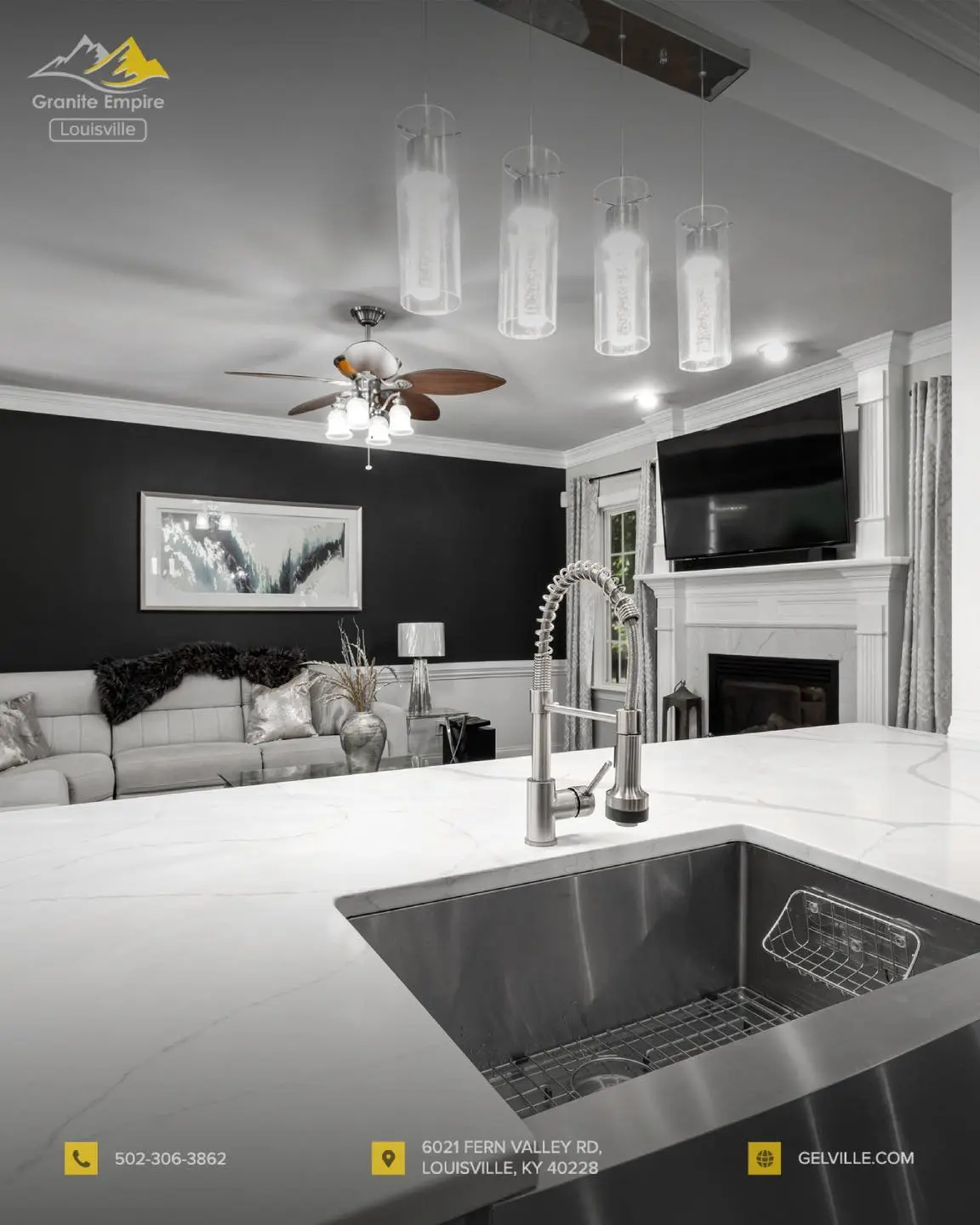
Granite is usually the best all-around countertop for home bakers because it combines heat resistance, durability, and a stable surface for everyday kitchen work. However, marble can be a better choice for someone who regularly works with pastry, while quartz offers easy maintenance and consistent color.
When we help homeowners choose kitchen surfaces, we look at how the countertop will actually be used. A kitchen where someone occasionally bakes cookies has different requirements from one where someone rolls dough, kneads bread, works with pastry, and places hot baking sheets on the counter every day.
For homeowners comparing kitchen countertops in Fort Knox, KY, the most important factors are heat resistance, scratch resistance, surface feel, maintenance, and how the material works with the rest of the kitchen.
What Should Home Bakers Look for in a Countertop?
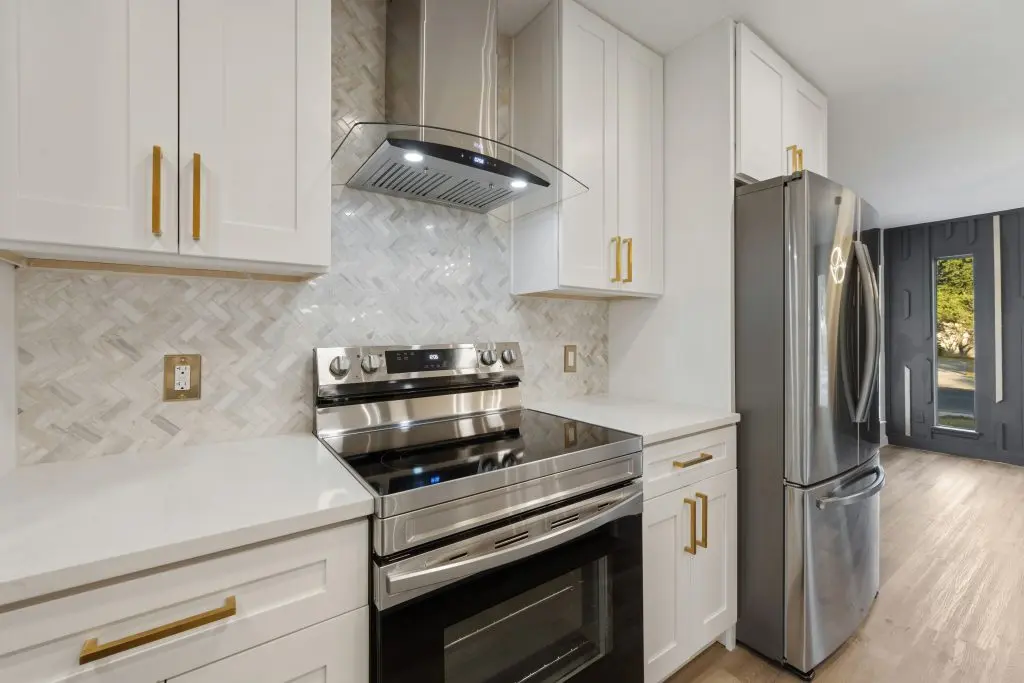
The best countertop for baking should tolerate heat, resist everyday wear, and provide enough usable space for mixing, rolling, and preparing food. The surface should also be practical to clean because flour, butter, oils, sugar, and food coloring can quickly make a working countertop messy.
We normally recommend looking at five factors:
- Heat resistance for baking sheets and cookware
- Scratch resistance for frequent food preparation
- Surface texture for rolling and kneading
- Stain resistance for ingredients and spills
- Maintenance requirements for everyday cleaning
Countertop size matters too. A material can be excellent for baking, but a small kitchen with limited workspace may still be frustrating to use. When possible, we encourage homeowners to think about where they will actually prepare dough rather than choosing a material based only on its appearance.
Is Granite a Good Countertop for Baking?
Granite is one of the strongest all-around choices for home bakers because natural granite handles heat well and provides a durable working surface. It is particularly practical for kitchens where baking involves hot pans, heavy appliances, and frequent food preparation.
For example, someone making bread every weekend may put significant pressure on the countertop while kneading dough. Granite is hard enough for this type of regular use and is generally resistant to scratching from normal kitchen activity.
Heat is another major advantage. Granite is much more tolerant of heat than engineered quartz, although we still recommend using trivets rather than making a habit of placing extremely hot cookware directly on any countertop.
At Granite Empire of Louisville, granite is currently priced at $39 per square foot. The material is fabricated to the measurements of the kitchen, so homeowners can plan the layout around their actual cabinets, sink, cooktop, and island.
Is Marble Better for Baking Than Granite?
Marble can be better than granite for certain types of baking, especially pastry work, because its naturally cool surface is useful when working with butter-based dough. Pastry chefs have traditionally valued marble because dough can be easier to handle on a cooler surface.
That does not make marble the best choice for every kitchen. Marble is softer and more reactive to acids than granite, which means lemon juice, vinegar, tomato products, and other acidic substances can cause etching.
A baker who mainly makes bread, cookies, cakes, or pastry may appreciate marble’s surface characteristics. A household that combines heavy cooking, baking, children, and frequent spills may prefer granite because it generally requires less caution during everyday use.
Our current marble price is $75 per square foot, while quartz is $55 per square foot and granite is $39 per square foot.
| Material | Baking Advantages | Main Concern | Current Price |
|---|---|---|---|
| Granite | Heat resistance, durability, heavy use | Requires appropriate sealing and care | $39/sq. ft. |
| Quartz | Easy cleaning, consistent appearance | Heat can damage resin-based material | $55/sq. ft. |
| Marble | Excellent for pastry and dough | Etching and scratching | $75/sq. ft. |
These prices help show why material selection should be based on use rather than appearance alone.
Is Quartz a Good Countertop for Home Bakers?
Quartz is a practical choice for bakers who prioritize easy cleaning and low day-to-day maintenance, but it requires more caution around high heat. Quartz countertops are engineered from quartz material combined with resin, so they should not be treated like a solid natural stone surface when it comes to hot cookware.
For a homeowner who mostly mixes ingredients, prepares dough, decorates cakes, and cleans the kitchen afterward, quartz can be very convenient. Its relatively nonporous surface makes routine cleanup simple, and there is no need for the same type of regular sealing associated with many natural stone surfaces.
The main limitation appears when baking involves hot pans and trays. We recommend using a trivet or heat-resistant pad rather than placing a hot baking sheet directly on quartz.
For homeowners comparing kitchen countertops in Fort Knox, KY, quartz can make sense when easy maintenance is more important than maximum heat tolerance.
Which Countertop Is Best for Rolling Dough?
Marble is often the best material for frequent pastry work because its naturally cool surface can help keep butter-based dough from becoming too soft. Granite can also work very well, particularly when the homeowner wants a more durable surface for a wider range of kitchen activities.
The size and location of the work surface are just as important as the material. A baker needs enough uninterrupted counter space to roll dough, position a cutting board, place ingredients, and move baking trays without constantly clearing the area.
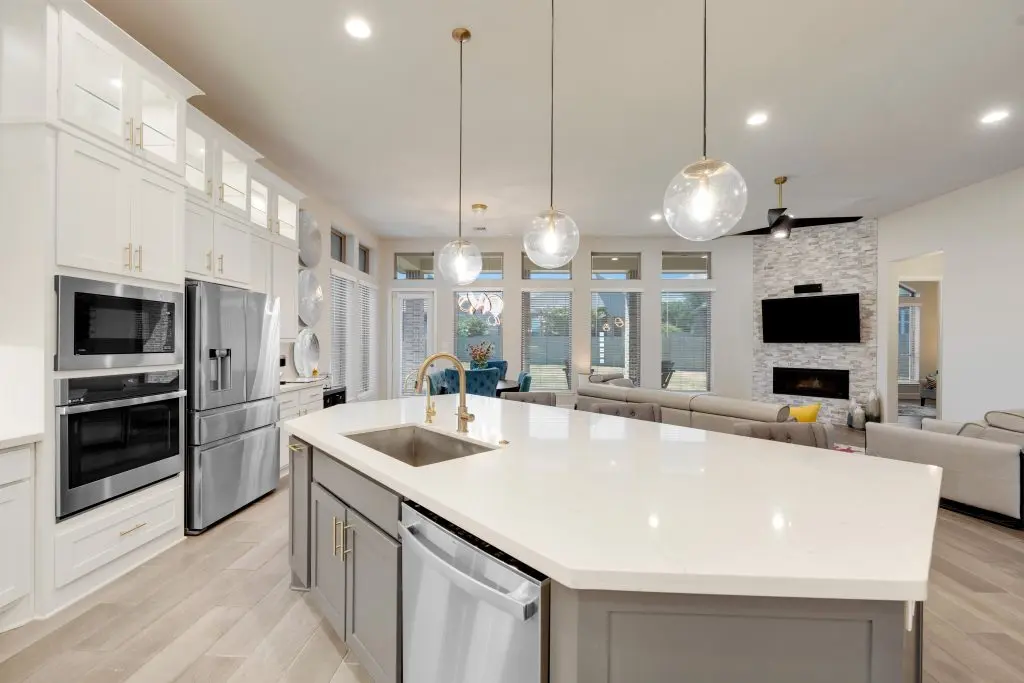
If the kitchen includes an island, we often recommend using the island as the primary baking zone. It creates a central workspace and can provide more comfortable access from multiple sides.
How Do Granite, Quartz, and Marble Compare for Baking?
Granite is the strongest overall option for a mixed-use baking and cooking kitchen, marble is particularly useful for pastry, and quartz is the easiest choice for homeowners who prioritize simple maintenance.
| Feature | Granite | Quartz | Marble |
|---|---|---|---|
| Heat resistance | High | Moderate | High |
| Scratch resistance | High | High | Moderate |
| Stain resistance | High with proper care | High | Moderate |
| Pastry work | Very good | Good | Excellent |
| Heavy cooking | Excellent | Very good | Good |
| Maintenance | Moderate | Low | Higher |
| Best use | Baking + cooking | Easy-care kitchen | Pastry-focused baking |
No material wins every category. A homeowner who bakes professionally at home may prioritize the surface characteristics of marble, while a family that bakes and cooks several times a day may find granite more practical.
What Countertop Is Easiest to Clean After Baking?
Quartz is generally the easiest of these three materials for routine cleanup because its engineered surface is nonporous. Flour, sugar, eggs, butter, and many common kitchen spills can usually be cleaned with a soft cloth and appropriate mild cleaner.
Granite is also straightforward to maintain when properly sealed. The important distinction is that natural stone maintenance depends partly on the specific stone and its finish, so we do not recommend assuming every granite surface has identical care requirements.
Marble needs more attention because staining and etching are bigger concerns. A small spill that is harmless to quartz can create a visible change on marble if it contains an acidic ingredient and remains on the surface.
Can You Put Hot Baking Sheets on Granite?
Granite handles heat very well, but we still recommend using a trivet for extremely hot baking sheets. Repeated thermal shock or placing very hot objects in the same location can create unnecessary stress on a stone surface.
For normal baking, granite provides a comfortable margin of heat resistance. That makes it particularly useful in kitchens where the countertop is used for both food preparation and baking.
Quartz requires more caution. We recommend never treating an engineered quartz countertop as a heat-proof landing zone for baking trays.
How Does Countertop Thickness Affect a Baking Kitchen?
Countertop thickness affects appearance, edge design, support requirements, and the overall construction of the installation, but it does not automatically determine whether a material is good for baking. The fabrication and support system are also important.
For a kitchen island where someone plans to use a large amount of counter space for baking, we pay attention to overhangs, cabinet support, sink cutouts, cooktop cutouts, and seams during fabrication.
The countertop should be properly supported before installation. A well-fabricated surface is not simply placed on top of cabinets and expected to perform correctly without considering the structure underneath.
Does the Countertop Color Matter for Home Bakers?
Color does not change the basic physical performance of the material, but it can affect how easily flour, crumbs, spills, and other baking messes are noticed. Very dark surfaces can make light flour highly visible, while very light surfaces can show darker ingredients more clearly.
We usually recommend choosing the color based on the kitchen as a whole rather than trying to hide normal baking messes. Countertops should work with cabinet color, backsplash, flooring, lighting, and the amount of natural light in the room.
In Fort Knox, KY, homeowners may also want to consider how the countertop looks under artificial kitchen lighting. A slab that looks one way in a showroom can appear noticeably different under warm or cool LED lighting at home.
How Long Does It Take to Get New Kitchen Countertops?
Fabrication typically takes about 7-10 days after the countertop has been measured and the project is ready for production. The exact schedule depends on material availability, fabrication requirements, sink and cooktop cutouts, edge details, and the complexity of the kitchen.
The general process includes:
- Selecting the countertop material.
- Confirming the kitchen layout and measurements.
- Creating the countertop template.
- Fabricating the slabs.
- Preparing cutouts and edges.
- Installing the finished countertops.
At Granite Empire of Louisville, we handle countertop fabrication and installation as part of the project, helping homeowners coordinate the material with the existing kitchen layout.
Should Home Bakers Choose Granite, Quartz, or Marble?
Granite is usually the best overall choice for homeowners who want one countertop that can handle baking, cooking, heat, and heavy everyday use. Marble is the more specialized choice for people who particularly value pastry preparation, while quartz is a strong option for homeowners who want simple cleaning and consistent appearance.
For kitchen countertops in Fort Knox, KY, we would start with the homeowner’s actual habits rather than recommending one material automatically. Someone who makes croissants every weekend has different priorities from someone who bakes cupcakes once a month.
A useful way to narrow the decision is:
- Choose granite for a balance of heat resistance and durability.
- Choose marble when pastry preparation is the priority.
- Choose quartz when easy maintenance is the priority.
What Should Be Considered During Countertop Installation?
A baking-friendly countertop still needs correct fabrication and installation because cutouts, seams, cabinet support, and overhangs affect the finished result. The material itself cannot compensate for an installation that does not account for the kitchen’s structure.
We consider the sink location, cooktop, appliances, cabinet layout, countertop seams, edge profile, and any island overhang before fabrication begins. This is particularly important when the homeowner wants a large uninterrupted baking surface.
Our installation process is designed around the actual dimensions of the kitchen rather than a generic countertop size. That approach helps ensure the finished surface fits the cabinets and functions properly.
How Much Should You Budget for a Baking-Friendly Countertop?
The material price is only one part of the total project cost because fabrication, installation, cutouts, edges, sink requirements, and the kitchen layout can all affect the final price. At our current material rates, granite is $39 per square foot, quartz is $55, and marble is $75.
For example, a homeowner comparing materials should not automatically choose the least expensive option simply because the initial material price is lower. The right decision depends on how the kitchen will be used and which maintenance requirements the homeowner is comfortable with.
We recommend comparing the complete project rather than comparing slab prices alone.
FAQ: Kitchen Countertops for Home Bakers
What is the best countertop for home baking?
Granite is the best overall choice for most home bakers because it combines durability and strong heat resistance. Marble can be better for frequent pastry work.
Is quartz good for baking?
Yes, quartz works well for food preparation and baking, but hot baking sheets should not be placed directly on the surface. Use a trivet or heat-resistant pad.
Is marble better than granite for pastry?
Marble can be better for pastry because its surface stays relatively cool. However, it is more vulnerable to scratching and etching than granite.
What countertop is most heat resistant?
Granite generally offers excellent heat resistance among common residential countertop materials. We still recommend protecting the surface from extreme or repeated direct heat.
How much does granite cost?
Our current granite material price is $39 per square foot. The final project price depends on fabrication, installation, layout, cutouts, edges, and other project requirements.
How long does countertop fabrication take?
Our typical fabrication timeline is 7-10 days after templating and project approval, although material availability and project complexity can affect scheduling.
Can I use my kitchen island as a baking station?
Yes. A kitchen island can be one of the best baking workspaces because it can provide a large, accessible surface for rolling dough, mixing ingredients, and preparing trays.
Kitchen Countertops in Fort Knox, KY
For homeowners looking at kitchen countertops in Fort Knox, KY, we provide granite, quartz, and marble options along with countertop fabrication and installation. We work with homeowners throughout Louisville and surrounding areas to select a material based on how the kitchen will actually be used.
Granite Empire of Louisville focuses on practical countertop solutions rather than choosing a material simply because it is popular. If you are planning a kitchen project, we can help you compare the available materials, fabrication requirements, and installation details so you can choose a countertop that fits the way you bake and cook.