

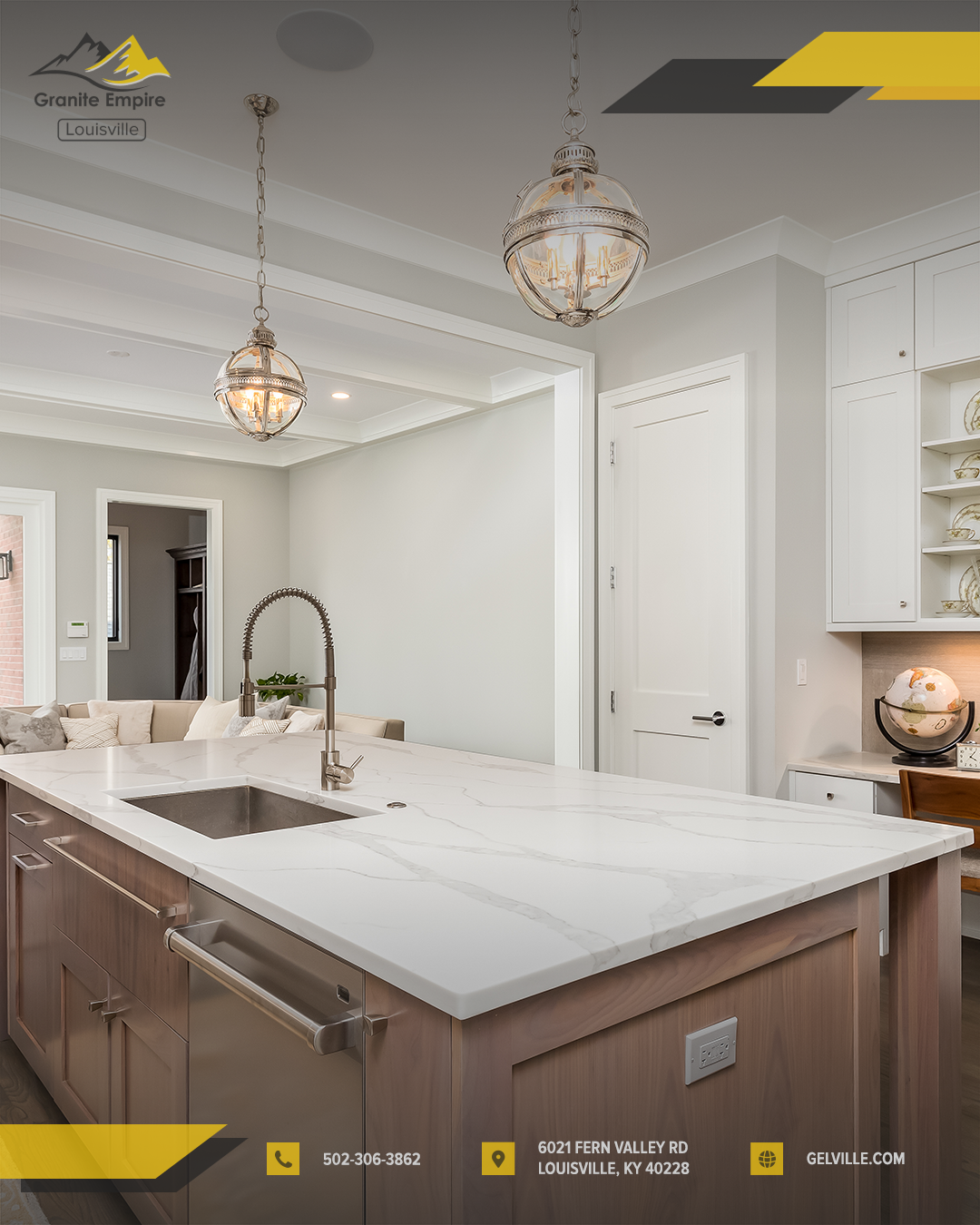
The sink edge is the kitchen’s most unfair battleground. It takes the hits no one remembers delivering: a heavy pot set down a little too fast, a cast-iron pan clipped on the corner, a dropped mug that bounces once before you can catch it. And because the sink area is where you work quickly—rinsing, stacking, unloading, cooking, cleaning—the countertop doesn’t get treated delicately. It gets treated like a tool.
That’s exactly why chipping shows up there first. Homeowners often look at a tiny chip near the sink and assume something is wrong with the quartz itself, or that the countertop “wasn’t strong.” But quartz is strong. The real story is more specific: the sink edge is a concentrated stress zone, and quartz—while tough—does not behave like rubber. It’s engineered to resist stains and wear, yet it can chip when sharp impact meets an exposed edge or a poorly supported area.
At Granite Empire of Louisville, we’ve seen this pattern again and again when homeowners come in asking about quartz kitchen countertops in Highview, KY. They want the clean look, the easy upkeep, and the modern feel—but they also want it to stay flawless around the busiest part of the kitchen. The good news: most sink-edge chips are preventable, and the prevention is far less complicated than people expect.
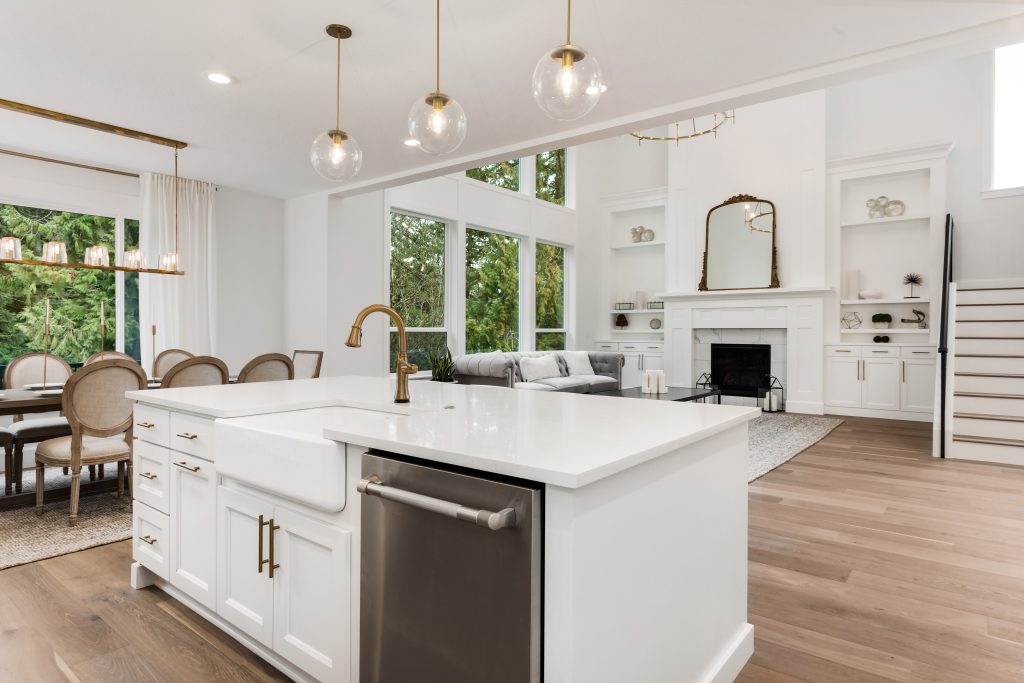
Why the Sink Edge Is the Most Chip-Prone Spot in the Kitchen
A quartz countertop can look monolithic, but the sink edge is not a uniform field of material. It’s a boundary—thin in places, cut and shaped, often interrupted by a sink cutout and faucet holes. Every cutout creates corners, and corners concentrate stress. That’s physics, not a flaw.
The sink edge is also the place where heavy objects travel the most. When you wash a pot, you move it from the stove to the sink, then from the sink to the drying rack. When you rinse a baking sheet, you lift it upright and rotate it. When you unload groceries, you set things down near the faucet because it’s the most open workspace. Every one of these moments increases the chance of a small impact at the edge.
On top of that, the sink zone often becomes a “drop zone” for everyday items: phones, keys, water bottles, mugs. A mug doesn’t have to shatter to cause damage. One sharp knock from a ceramic rim can create a tiny chip that catches your eye forever.
If you’re investing in quartz kitchen countertops in Highview, KY, it helps to think of the sink edge as the countertop’s front line. When that front line is designed well and supported correctly, it holds up beautifully. When it isn’t, it becomes the weak link.
The Hidden Detail Most People Miss: Edge Profiles and Micro-Vulnerability
Edges matter more than homeowners realize. A sharp, squared edge looks modern, but it also leaves less “buffer” for impact. A slightly eased edge, a small bevel, or a rounded profile can reduce chip risk because there’s less of a brittle point waiting to catch a hit.
This doesn’t mean you have to abandon the style you love. It means you should choose an edge profile with real-life use in mind, especially near the sink. For many households, the difference between a fragile-looking sink edge and a durable one is a few millimeters of shaping.
At Granite Empire of Louisville, we often talk about this early, especially with clients choosing quartz kitchen countertops in Highview, KY. Because the edge profile isn’t just a visual detail—it’s a durability decision you’ll feel every day.
Sink Type and Installation: Where Chips Start Before the Countertop Is Even Used
Not all sink setups treat quartz the same.
Undermount sinks are popular because they look clean and make wiping crumbs easy. But they also expose the underside edge of the quartz around the cutout. That exposed edge is more likely to experience knocks from heavy cookware, especially when items are being lifted in and out of the sink. If the sink is installed slightly too high, or if there’s uneven support, the quartz edge can be stressed in ways that show up later as chips.
Top-mount sinks hide more of the cutout edge, which can reduce direct impacts on the quartz itself. But they come with their own considerations in terms of aesthetics and cleaning preferences.
Then there’s the installation quality—arguably the biggest factor. If the sink isn’t properly supported, it can shift microscopically when filled with water or when a heavy pot is placed inside. That movement transfers stress to the countertop edge. A countertop may look fine for months, then begin to show small chips or hairline issues around the cutout corners.
This is why homeowners searching for quartz kitchen countertops in Highview, KY should ask a practical question: “How is the sink supported?” The best answer will include solid support systems, proper adhesives, correct clearances, and careful handling of cutout corners.
It’s also why Granite Empire of Louisville treats sink installation details as part of countertop craftsmanship, not an afterthought.
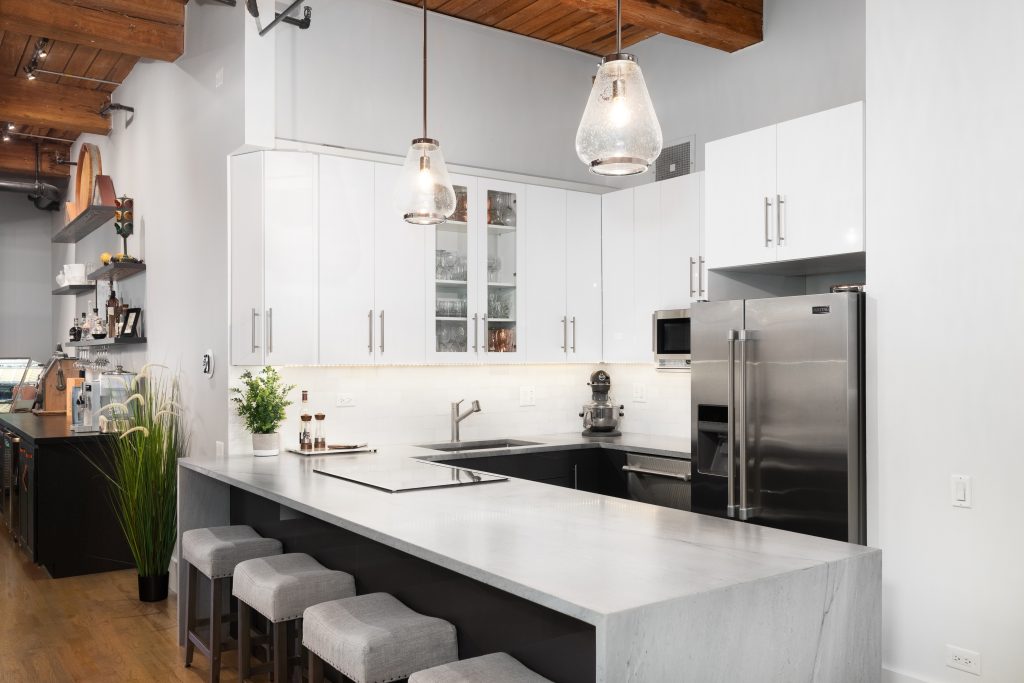
The Corner Factor: Why Small Chips Often Appear Near Cutout Corners
If you’ve noticed chips or tiny fractures near the corners of the sink cutout, you’re not imagining a pattern. Corners are stress concentrators. Even when they are slightly rounded, they remain areas where force is naturally focused.
The cutout corners also tend to be where people accidentally strike the counter with metal objects. A pot handle clips the corner. A knife slips while cleaning. A baking tray catches the edge. One impact might not do much. But repeated little hits add up.
That’s why careful cutout design and finishing matter. A well-fabricated sink cutout is smooth, properly shaped, and thoughtfully reinforced where needed. It’s not rushed. It’s not jagged. It doesn’t leave hidden micro-weaknesses.
When homeowners choose quartz kitchen countertops in Highview, KY through Granite Empire of Louisville, we pay close attention to these details because this is where long-term durability is decided.
The Quartz Misunderstanding: Strong Doesn’t Mean Unchip-able
Quartz is engineered with resins and pigments, and it performs impressively in daily kitchens. But it’s still a hard surface. Hard surfaces resist scratches and wear, but they don’t absorb impact the way softer materials do. When a sharp blow hits a quartz edge, the material can chip.
The marketing language around quartz can create unrealistic expectations. People hear “durable” and translate it into “invincible.” Then they’re shocked when a chip appears. The truth is more balanced: quartz is durable in the ways homeowners want most—stain resistance, easy cleaning, consistent appearance. It simply needs smart edge decisions and good installation to minimize impact vulnerability.
If you’re installing quartz kitchen countertops in Highview, KY, this mindset will keep you happier long-term. You don’t need to worry constantly. You just need to set the countertop up for success where it’s most likely to be tested.
How to Prevent Sink-Edge Chips Without Changing Your Whole Kitchen
Prevention isn’t a single trick. It’s a handful of small decisions that add up.
Start with the edge profile near the sink. A slightly eased edge can make a noticeable difference over time. Next, ensure the sink has proper support. A strong support system prevents movement, and preventing movement reduces stress.
Then consider what lives around your sink. If you regularly handle heavy cookware, be mindful of how you set it down. You don’t have to move slowly; you just want to avoid dropping weight onto a corner. Use a sink grid if it helps keep pots from banging hard against the sides. If you tend to stack dishes on the counter right at the edge, shift that habit a few inches inward. That small change reduces edge contact.
Also, don’t underestimate clutter. A crowded sink zone causes accidental knocks. A clear workspace reduces them.
At Granite Empire of Louisville, we often give clients a simple goal when they choose quartz kitchen countertops in Highview, KY: design the sink area for speed without impact. That’s the sweet spot.
If a Chip Already Happened: What It Means and What to Do
A small chip near the sink edge doesn’t automatically mean replacement. Many chips are repairable depending on their size, location, and the quartz pattern. Some blends are easier to repair invisibly than others.
What matters most is preventing repeat damage. If the chip occurred because the sink edge is exposed and takes constant hits, you can adjust habits and reduce future impact. If the chip occurred because the sink isn’t properly supported or the edge profile is too sharp for your household’s use, addressing those factors protects the countertop long-term.
And if you’re seeing repeated chipping in the same general area, that’s a clue worth investigating. It might indicate a support issue, a high-stress point, or a cutout weakness.
This is where experienced guidance helps. Granite Empire of Louisville can evaluate the context, not just the symptom, and help homeowners protect their investment—especially those choosing quartz kitchen countertops in Highview, KYand expecting long-term durability.
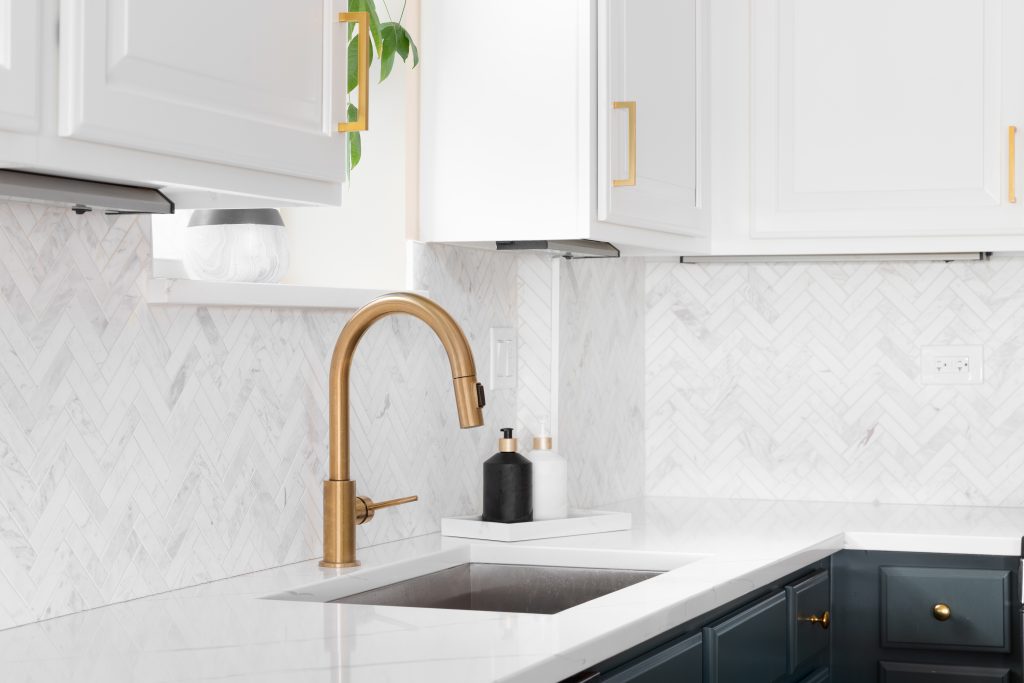
The Real Goal: A Quartz Countertop That Stays Beautiful Where You Use It Most
Quartz is popular for a reason. It offers a clean, modern look, it’s easy to live with, and it performs beautifully in real kitchens. Sink-edge chipping isn’t proof that quartz is a bad choice. It’s proof that the sink edge is a high-impact zone—and that smart design and installation details matter.
If you want the best experience with quartz kitchen countertops in Highview, KY, focus on the areas that take the most action: the sink cutout, the edge profile, the support system, and the daily workflow around that zone. Get those right, and quartz will feel like the low-stress surface people promise it to be.
At Granite Empire of Louisville, we build countertops with real life in mind—because the best kitchen surfaces aren’t the ones you fear damaging. They’re the ones you can use confidently, day after day, without losing the look you fell in love with.